In South Reno, the List Price Isn't Moving. The Payment Is.
September 3, 2026
September 3, 2026
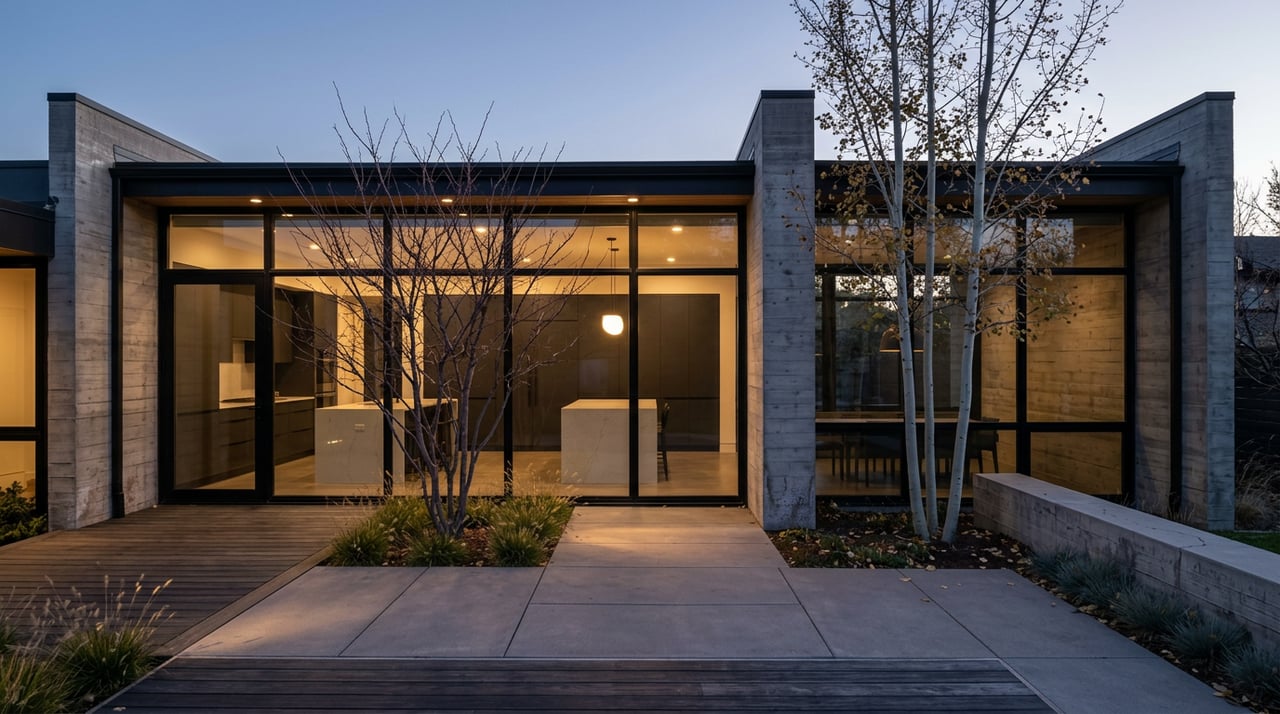
A buyer I've talked with this summer had two homes pulled up side by side on her phone. One was a resale in an established pocket of Damonte Ranch, priced at $599,000. The other was a Lennar spec home in Talus Valley, out in the Huffaker Hills, priced at $650,000 or more. On paper the resale looked like the obvious move. Lower price, mature landscaping, a street that's been settled for a decade. Then she ran the monthly numbers with her lender and the new build came in lower. Same down payment. Lower payment. Higher price.
That's not a fluke. It's the shape of the South Reno market right now, and it's the piece most buyers and a fair number of sellers haven't priced into their decision.
As of the most recent count on July 12, 2026, there were 125 active new-construction listings spread across Talus Valley, Somersett, Damonte Ranch, and the Sparks and Lyon County corridors. The new-construction premium over the citywide resale median runs about $98,950, roughly 16 percent. At the medians, that's a new-build price near $697,950 against a resale price near $599,000.
Read quickly, that looks like new construction is simply the expensive option and resale is where the value lives. But the 90-day sold median for resale, based on 859 closings through early July 2026, landed within $1,000 of the active resale median. That's a market holding its price, not one where sellers are cutting to compete. If resale sellers aren't discounting and builders aren't discounting either, the 16 percent gap has to be getting closed somewhere else. It's getting closed in the financing, not the sticker.
Here's the part that doesn't show up on a listing sheet. A builder selling forty homes in a Talus Valley phase has forty buyers who already closed at a certain price. If the next available home lists for $20,000 less, every one of those forty buyers now owns a home that appraises lower than what they paid, and every future appraisal in that phase gets measured against the new, lower number. That's a problem the builder created for its own book of business and its own comp set.
A rate buydown or a closing-cost credit solves the same problem without leaving a mark on the county record. The buyer gets a lower monthly payment. The builder's price sheet, and every appraisal that follows, stays intact. This summer, the incentive packages showing up across active Northern Nevada communities include closing-cost credits in the $10,000 to $25,000 range, often tied to using the builder's in-house lender, plus design-center allowances running as high as $50,000 on some plans. None of that touches the number printed on the contract.
That's the mechanism worth sitting with: the incentive isn't generosity, it's comp protection dressed up as a deal. Which means the "premium" a buyer sees on a spec sheet is partly real and partly an artifact of how builders manage their own pricing history.
Talus Valley, in the Huffaker Hills area of South Reno, has effectively replaced Damonte Ranch as the region's headline new-home community. Lennar is the major builder there, with homes ranging from around 1,600 to more than 3,200 square feet, and the pitch leans hard on trail access and open space rather than just square footage.
Damonte Ranch hasn't slowed. It's simply playing a different role now. Established in the early 2000s and built out in phases since, it's the mature option, the one with consistent resale values and a track record buyers can actually check against. If Talus Valley is where builders are setting the new-construction comp, Damonte Ranch is where resale sellers are trying to hold the line against it.
There's a third data point worth knowing if you're weighing South Reno against nearby Sparks. New-build actives in Sparks carry a median near $700,000, slightly above Reno's own new-build median, because much of what's selling there right now is larger family product concentrated in the Pyramid Highway corridor rather than entry-level townhomes. That's not a discount market either. It's a different buyer profile, not a cheaper one.
For buyers at the top of the new-construction range, Toll Brothers' Regency at Caramella Ranch, a gated 55-and-over community in South Reno, prices from the high $600s into seven figures for larger view lots. It's a useful marker for where the ceiling sits on the amenity-heavy end of the new-build spectrum.
| Segment | Approx. price point | What's driving it |
|---|---|---|
| Resale (citywide median, 90-day sold through early July 2026) | ~$599,000–600,000 | Holding steady, not discounting |
| New construction (citywide active median, July 2026) | ~$697,950 | Rate buydowns and credits instead of price cuts |
| Sparks new-build (57 actives, July 2026) | ~$700,000 | Larger family product, Pyramid Highway corridor |
| Regency at Caramella Ranch (Toll Brothers, 55+) | High $600s to $1M+ | Gated amenities, larger view lots |
The most common incentive structure right now is the temporary rate buydown, often built as a 2-1: the rate drops by two percentage points in year one, one point in year two, then returns to the full note rate for the remaining term. It's a real benefit in the first two years and a real payment increase in year three. A buyer comparing a builder's advertised rate against a resale seller's asking price needs to run the year-three number, not just the move-in number, before deciding which home is actually cheaper.
The incentive lowers what you pay this year. It doesn't lower what the house is worth or what you'll owe in year three. Those are two different questions, and builders are very good at only answering the first one out loud.
Permanent buydowns, where the builder pays points upfront to lock a lower rate for the full 30 years, solve that problem but usually come at the cost of a smaller closing credit elsewhere in the package. The 30-year fixed spent 2026 holding in the mid-6s to low-7s according to Freddie Mac's Primary Mortgage Market Survey, which is exactly why the buydown lever matters more this year than a straight price cut would.
If you're selling a resale home in Damonte Ranch or an established South Reno neighborhood, your buyer pool right now includes people cross-shopping a subsidized new-build payment. A price cut on your end works differently than a builder's incentive does, because your home isn't setting a comp for forty other closings. You have more room to negotiate on price directly than a builder does, and that's worth saying plainly to a buyer who's hesitating between your listing and a spec home.
If you're buying new construction, the incentive stack is a starting point, not a fixed offer. Builders have more flexibility on move-in-ready inventory that's been sitting than on a home still under construction, because every day it sits costs them financing carry. Ask specifically what's available on that lot, not just what the community's general marketing promises.
A short checklist before you write an offer on either side of this comparison:
Does a builder's rate buydown lower the appraised value of the home? Not directly. Closing-cost credits and rate buydowns don't change the contract price, so the appraisal is based on the same number. A large design-center credit is the one item that can complicate things if it shows up on the closing disclosure in a way that suggests the true purchase price is lower than stated.
Is South Reno resale actually softening, or does it just look that way next to new-build incentives? The 90-day sold median through early July 2026 sat within $1,000 of the active median, which points to a resale market holding its price rather than one that's cutting to compete. The incentive activity is concentrated on the new-construction side.
Should I wait for builders to offer a bigger incentive? Incentive depth tends to compress once mortgage rates ease and demand strengthens, because the subsidized rate becomes less of a draw against the market rate. That's a real consideration, not a countdown clock, and it's worth weighing against how long you're planning to hold the home either way.
If you're trying to figure out where your own South Reno purchase or sale actually lands in this math, that's exactly the kind of number-by-number conversation worth having before you write an offer. Jena Lanini works both sides of this market every week, from Talus Valley spec homes to established Damonte Ranch resales, and can walk you through what a specific listing's incentive stack, or lack of one, really means for your bottom line. Discover elevated living. Start your search today.
Stay up to date on the latest real estate trends.
Jena Lanini crafts refined real estate experiences with strategy, heart, and unmatched local insight. From Reno to Lake Tahoe, trust her to navigate your next move with clarity and confidence.