Designing A Low-Maintenance Incline Village Getaway
April 2, 2026
April 2, 2026
Dreaming of a Tahoe escape that feels luxurious without turning every visit into a to-do list? In Incline Village, that goal is especially practical because your home may need to handle snowy arrivals, beach days, boating gear, and quiet weekends all in one place. The right design choices can help you spend less time managing the property and more time enjoying it. Let’s dive in.
Incline Village is built around recreation, relaxation, and year-round outdoor living. The Incline Village Tourist Community Plan reflects that identity, with a community vision centered on openness and recreation.
That lifestyle shapes how a getaway should function. Your home may need to support quick transitions between lake days, ski mornings, and seasonal stays, so low-maintenance design is less about cutting corners and more about making the home easy to reset, easy to clean, and easy to enjoy.
Before you think about finishes or furniture, it helps to understand the local conditions that affect upkeep. In Incline Village and Crystal Bay, winter parking restrictions begin October 1, and street parking is prohibited on red snow days so crews can clear roads.
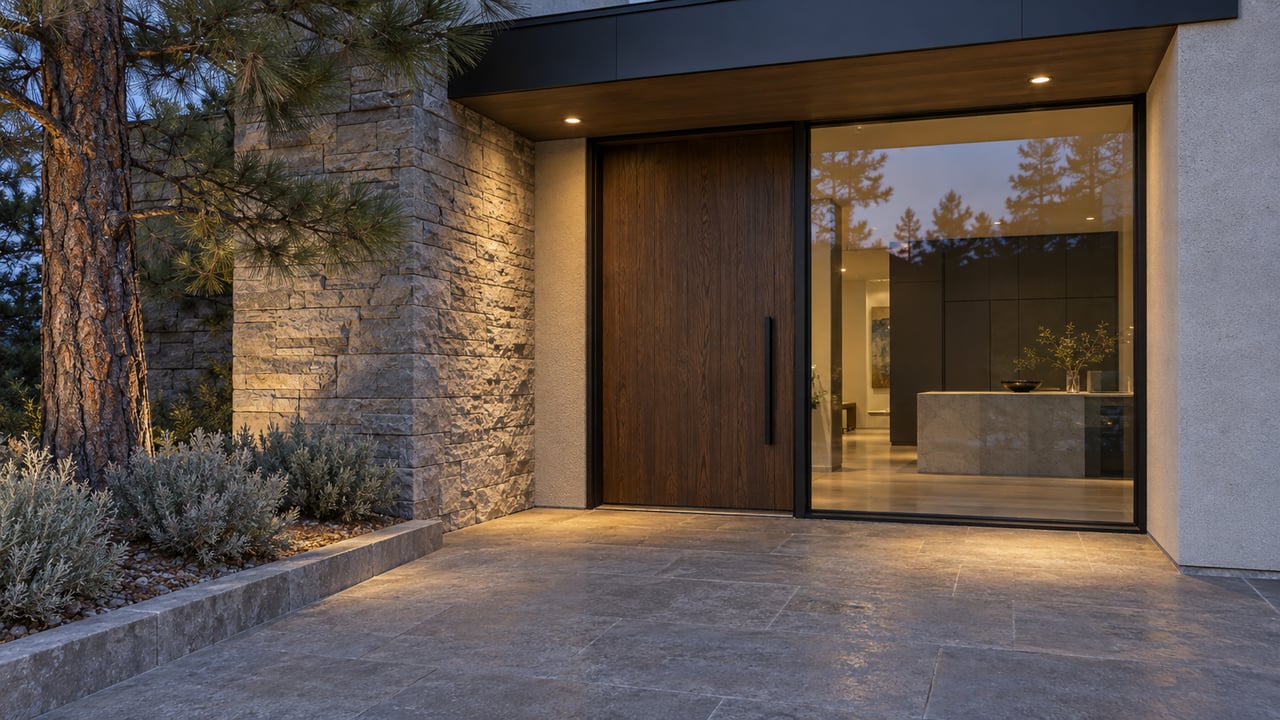
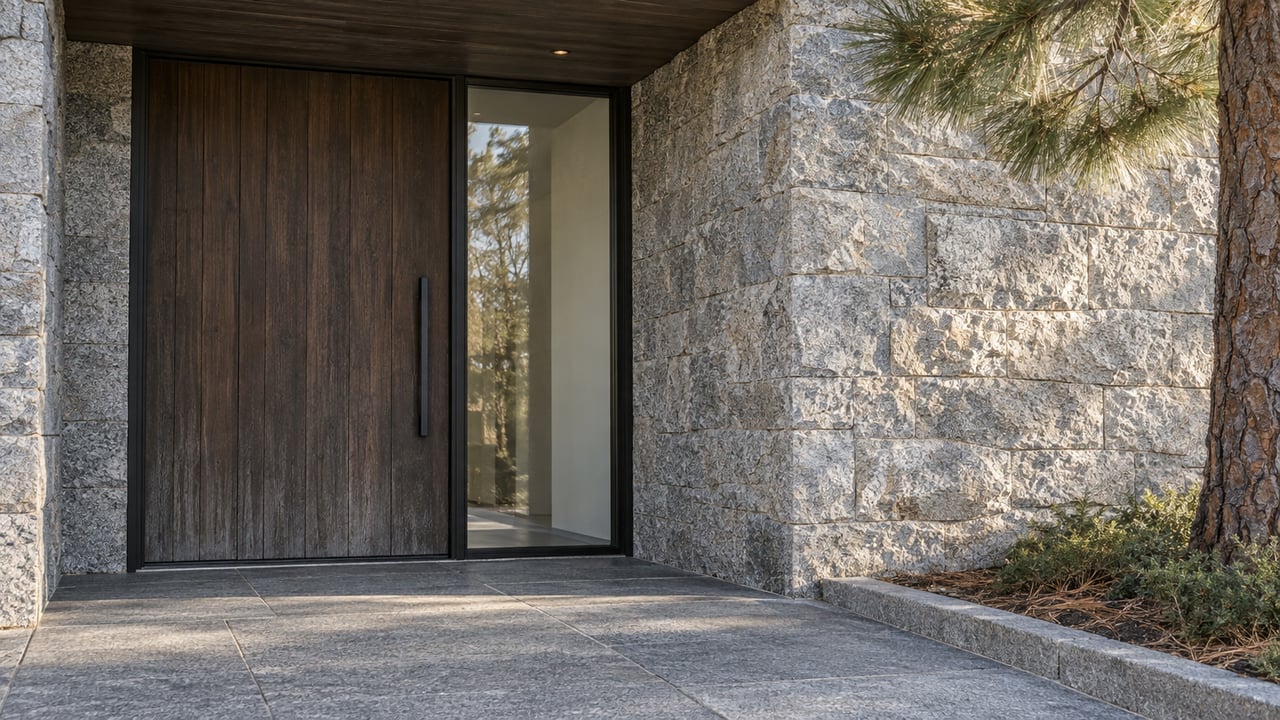
That matters because snow removal and winter access should influence your layout from day one. Covered entries, simple walkways, and clear circulation can make arrivals easier and reduce the amount of snow, slush, and debris brought into the home.
Local permitting also shapes design decisions. Washoe County notes that projects in Incline Village or Crystal Bay need TRPA approval or exemption before permit issuance, and structural engineering is strongly recommended or required when ground snow load exceeds 70 pounds per square foot. County guidance also emphasizes drainage that moves water away from foundation walls, which supports practical choices like thoughtful grading and drain-conscious hardscape.
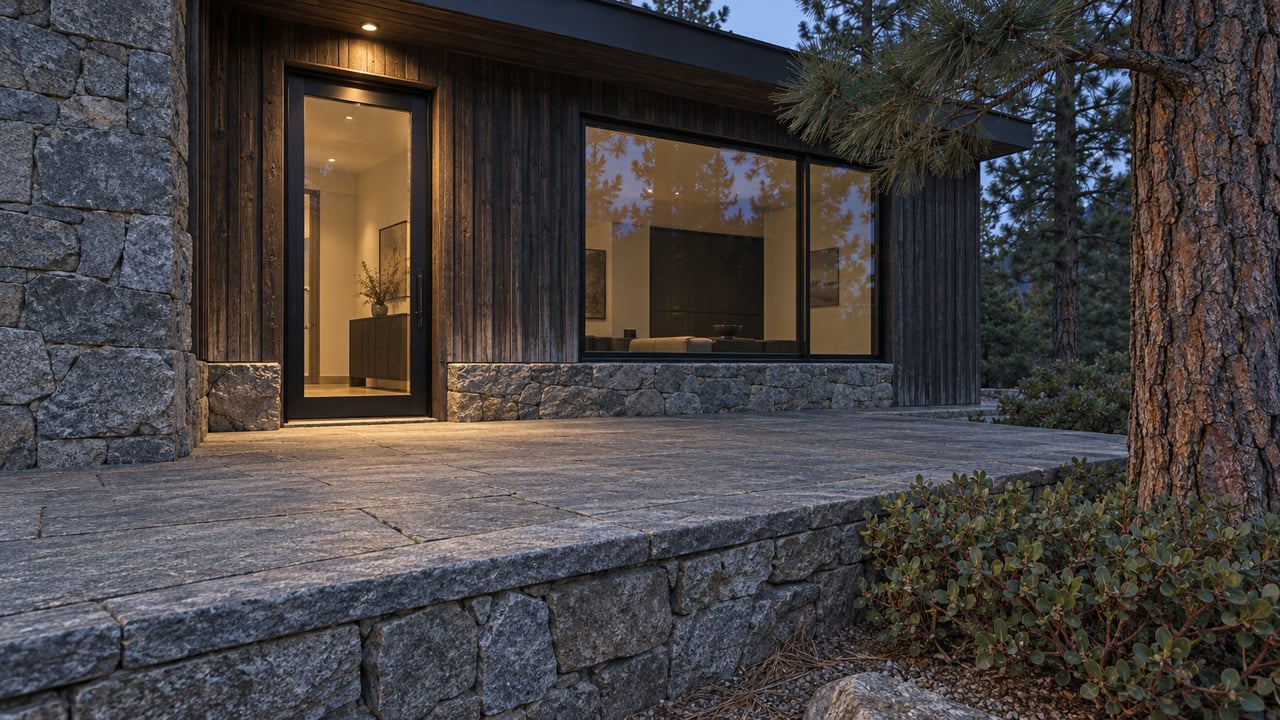
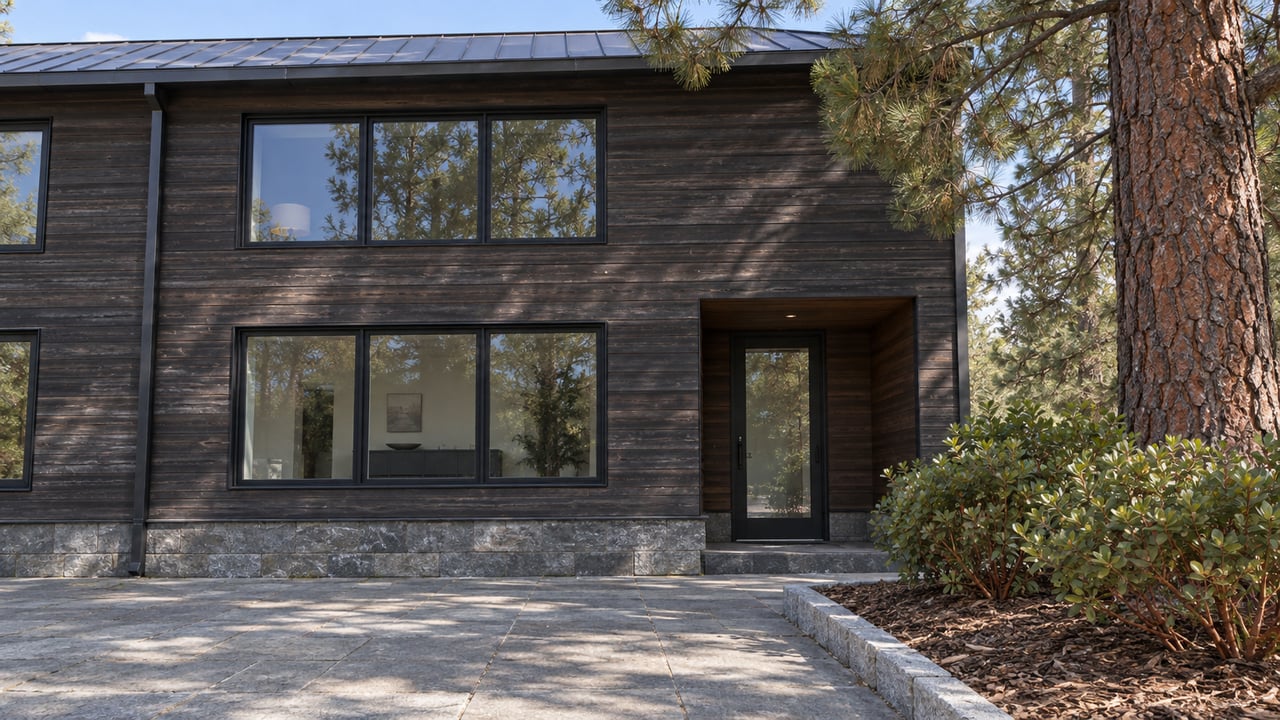
In a snowy, forested, lakeside setting, the best exterior materials usually do three things well: they resist moisture, shed debris, and hold up over time. Based on local conditions and TRPA wildfire guidance, a low-maintenance exterior often starts with fire-conscious, durable materials.
A few smart priorities include:
TRPA also encourages home-hardening steps and notes that if a property is visible from Lake Tahoe, roof reflectivity should be considered. If you are updating or buying with renovations in mind, these details can help you create a home that looks refined while staying aligned with local environmental realities.
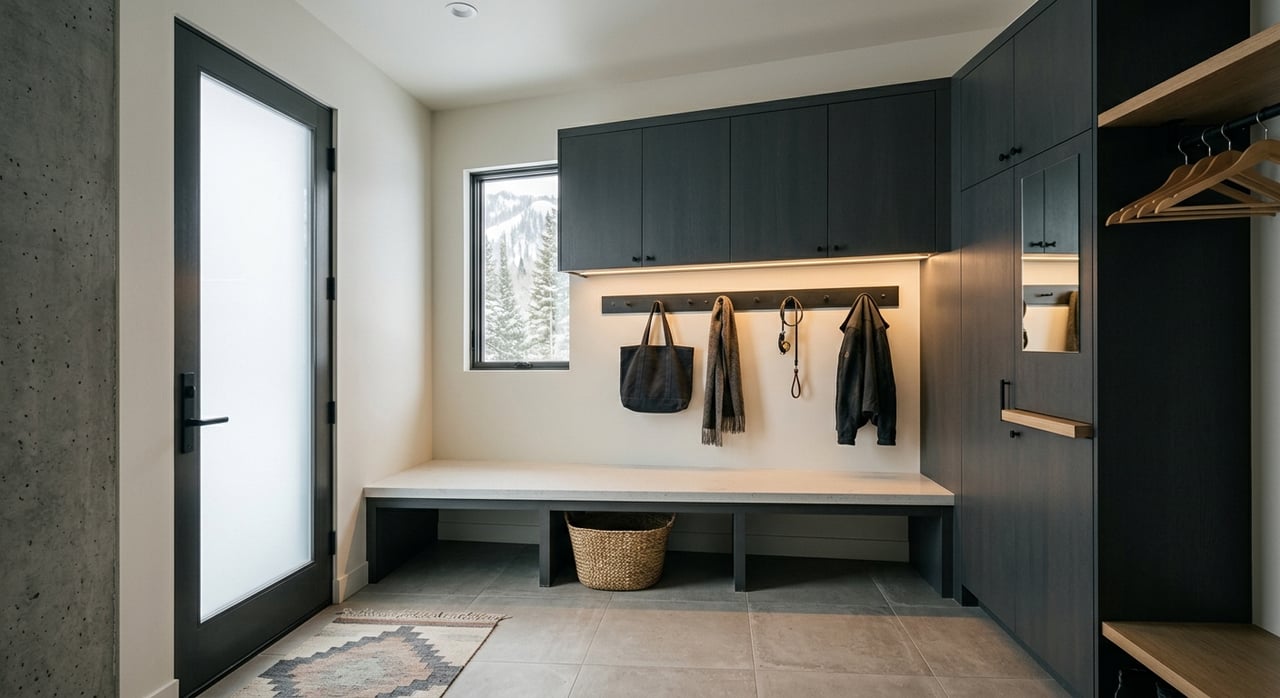
One of the most valuable features in an Incline Village getaway is a true mudroom or gear room. When your home needs to support skiing, beach outings, paddling, and changing weather, your entry does a lot more than welcome guests.
A hardworking entry can help contain mess, protect your finishes, and make each stay feel easier from the moment you walk in. Durable flooring, built-in lockers or cubbies, and a dedicated drop zone for boots, towels, bags, and jackets can go a long way.
This is especially useful in a community where IVGID beaches include boating access, kayak and canoe storage rentals, and seasonal paddleboard and kayak storage racks. IVGID also reminds visitors to check lake conditions and notes Lake Tahoe’s cold water temperatures, which makes a dedicated place for wet gear, swimsuits, and towels especially practical.
In many second homes, clutter builds up because there is no real system for storing gear. In Incline Village, storage needs can be larger than expected because one property may need to support ski equipment, beach items, boating accessories, winter layers, and guest extras.
A low-maintenance home usually benefits from storage that is intentional rather than hidden as an afterthought. Consider a layout with:
The goal is simple: every item should have an obvious place. That makes the home faster to reset between visits and easier to keep guest-ready year-round.
A polished mountain-lake home does not need to be fussy. In fact, some of the most appealing interiors in Incline Village are the ones that feel calm, functional, and durable.
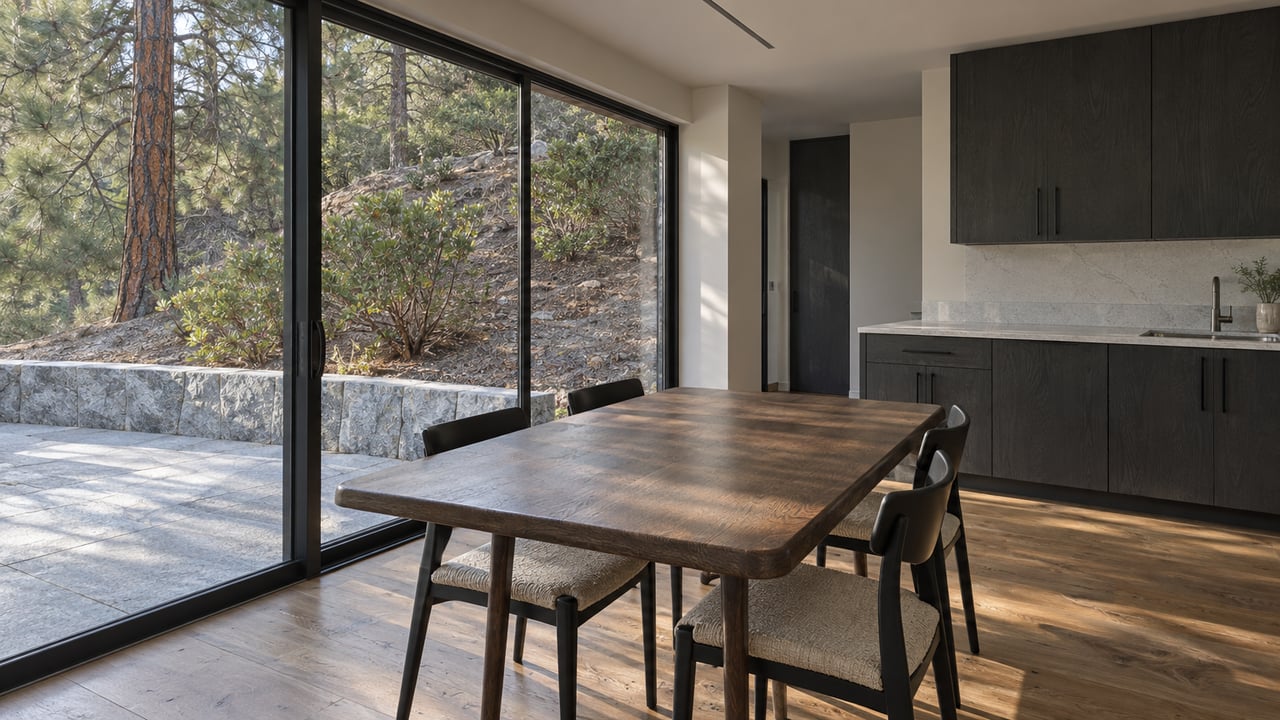
Easy-clean countertop and bath finishes, durable flooring for wet boots and sand, and uncluttered circulation all support a lower-maintenance lifestyle. These choices can still feel elevated, especially when paired with natural light, simple lines, and a restrained palette inspired by the lake and surrounding forest.
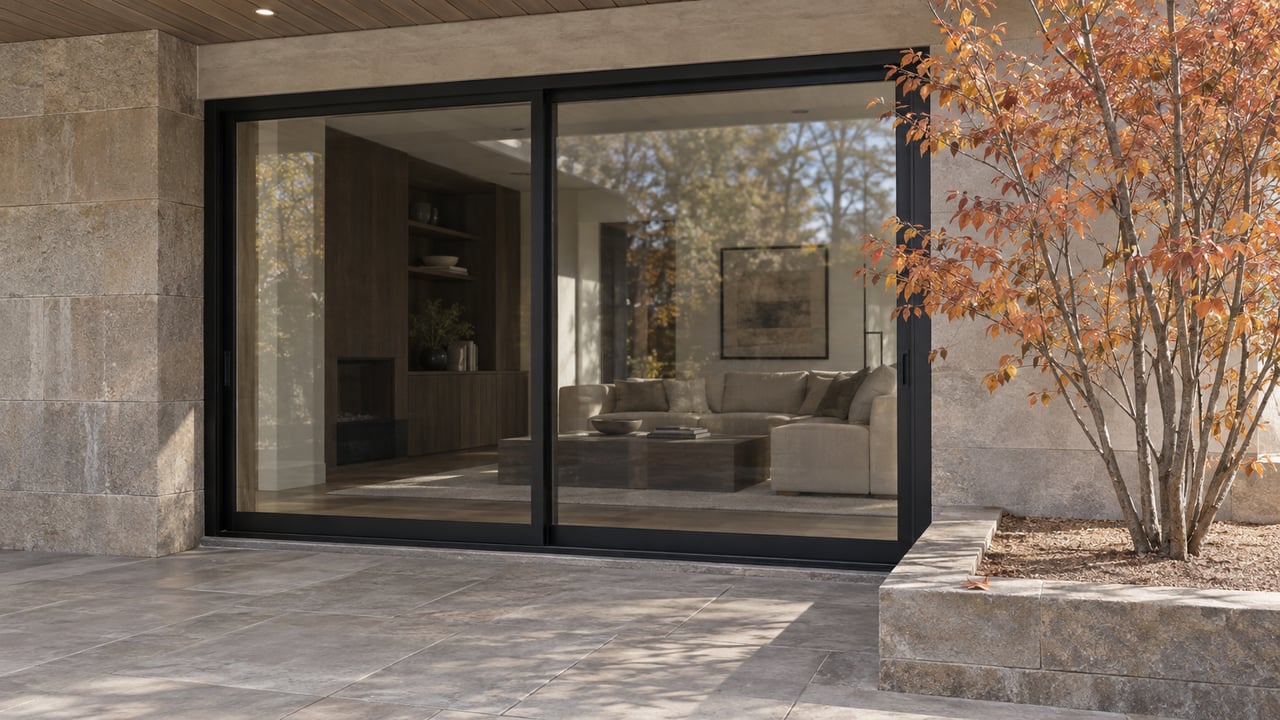
The community plan’s emphasis on relaxation and recreation also supports a more wellness-forward interior approach. A reading nook, a spa-like primary bath, and indoor-outdoor flow can all add comfort without requiring high-upkeep features or overly complicated design.
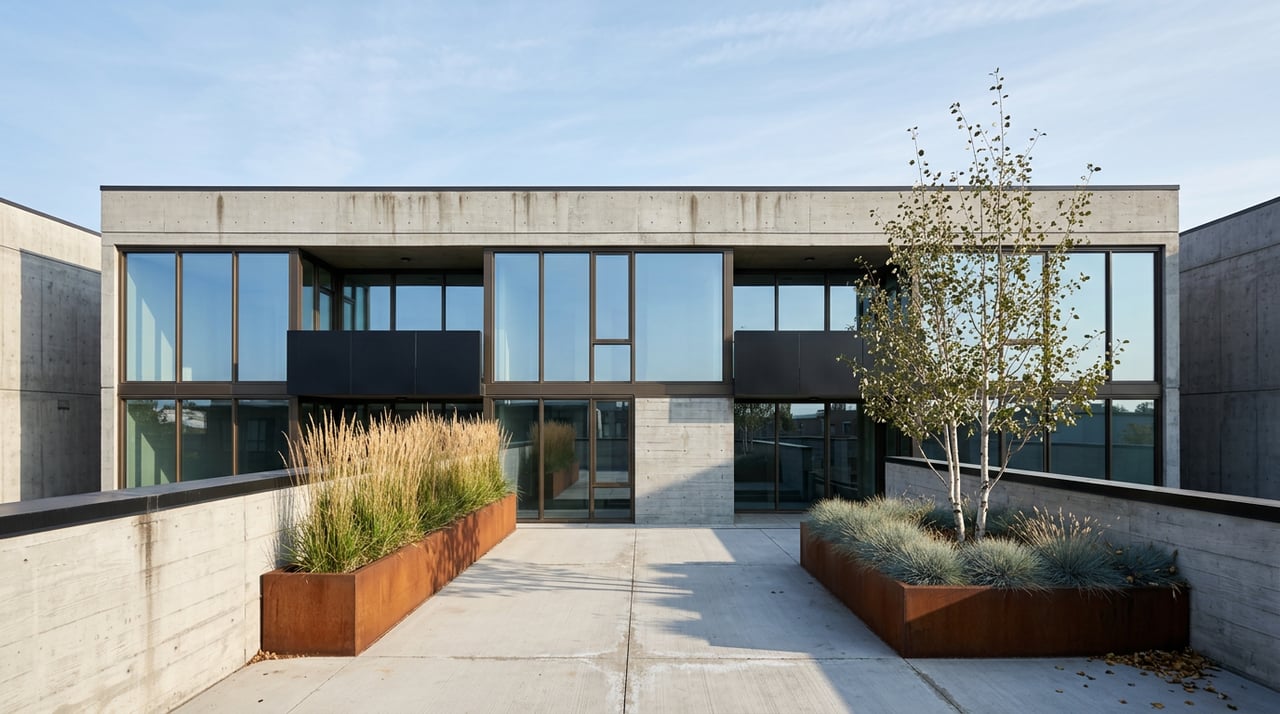
Outdoor spaces can be beautiful without becoming labor-intensive. In the Tahoe Basin, the best low-maintenance landscaping usually balances appearance with defensible space, drainage, and erosion control.
According to TRPA’s wildfire guidance, homeowners should create defensible space, and developed properties must install and maintain stormwater BMPs. TRPA lists examples such as roof gutters, gravel driplines trenches, and rain gardens.
That points toward a simpler landscape strategy:
This approach can help your property feel polished while reducing ongoing work and supporting local environmental requirements.
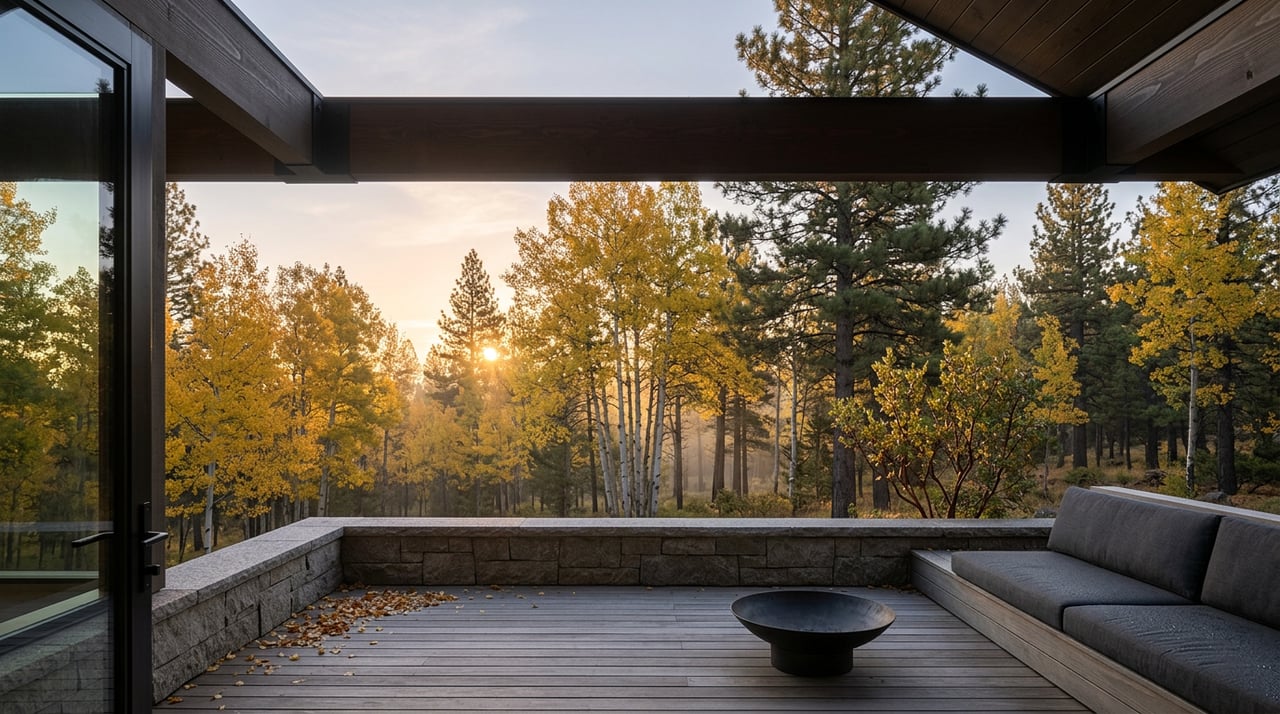
If you are imagining a cozy outdoor entertaining area, it is worth knowing the local rules before you commit to a design. Washoe County states that exterior recreational fire pits fueled by natural gas or propane cannot operate unless permitted by the local fire district, and solid-fuel fire pits are prohibited.
That means outdoor living areas should be planned with flexibility. Instead of assuming a fire feature is an easy add-on, it is smarter to design a comfortable seating area that stands on its own and then confirm what is allowed for the property.
The best technology in a second home is the kind that quietly reduces stress. In a market shaped by snow, weather, and part-time occupancy, smart-home features can make ownership feel far more manageable.
A practical setup may include:
These upgrades are useful because they support peace of mind without adding unnecessary complexity. If you are not on-site every week, being able to monitor temperature, check access, and catch problems early can save time and help protect the home.
One of the smartest ways to design a low-maintenance getaway is to think through what happens when you arrive and when you leave. In Incline Village, those transition moments often involve changing weather, gear, groceries, and quick turnarounds.
Ask yourself whether the home makes these moments simple. A covered front entry, clear storage zones, durable surfaces near the door, and lighting that supports after-dark arrival can all improve how the property functions in real life.
This is also where layout matters as much as finishes. A beautiful home that is difficult to enter, unload, clean, or secure will never feel truly low-maintenance.
The most successful getaway homes in Incline Village are often the ones designed around the local lifestyle from the start. That means thinking beyond aesthetics and asking how the home will perform through snow season, lake season, and periods when you are away.
When you evaluate a property, pay attention to storage, drainage, exterior materials, access, and outdoor upkeep. If you are planning updates, remember that Washoe County says TRPA approval or exemption is needed before permit issuance for projects in Incline Village or Crystal Bay, so early planning matters.
A low-maintenance home is not about doing less for the sake of it. It is about creating a retreat that supports the way you want to live in Tahoe, with fewer hassles and more room to relax.
If you are exploring homes in Incline Village or thinking about how to position a Tahoe property for long-term enjoyment and resale, Jena Lanini can help you find the balance between elevated design, practical ownership, and the lifestyle you actually want.
Stay up to date on the latest real estate trends.
Jena Lanini crafts refined real estate experiences with strategy, heart, and unmatched local insight. From Reno to Lake Tahoe, trust her to navigate your next move with clarity and confidence.