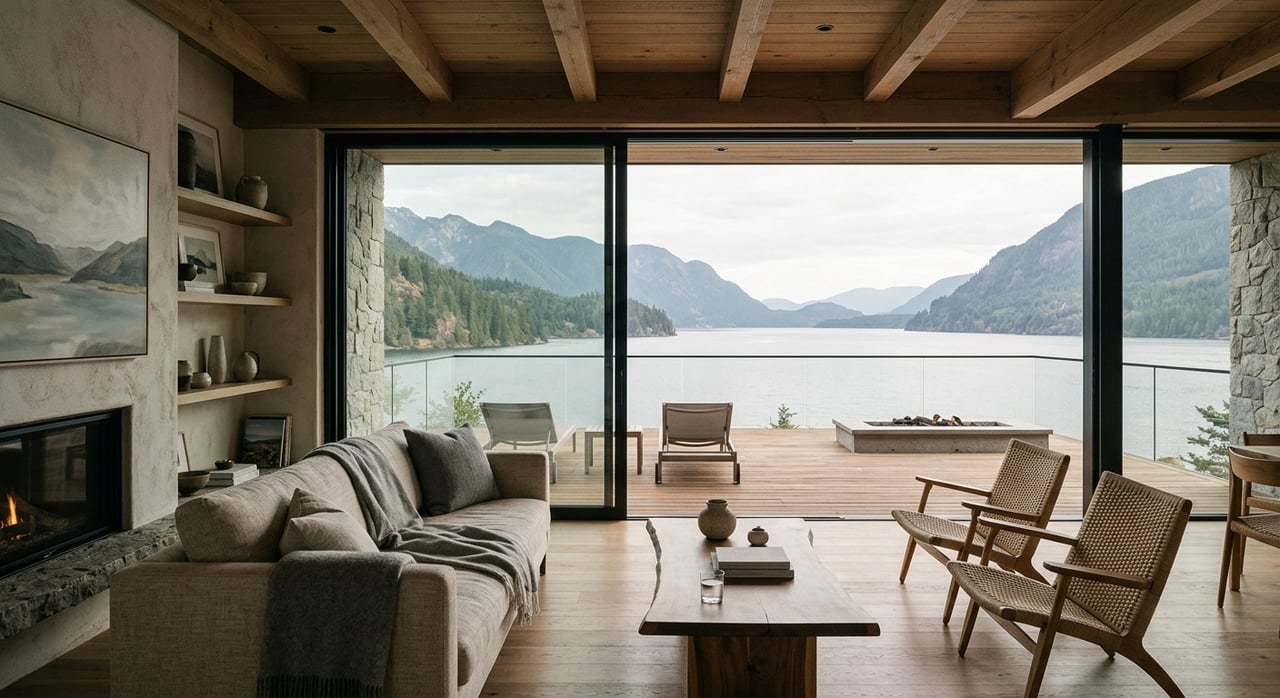
Should You Sell Or Keep Your Stateline Vacation Home
May 28, 2026
May 28, 2026
Wondering whether your Stateline vacation home is still serving your life, or just adding another layer of cost and upkeep? That is a real question for many second-home owners right now, especially in a mountain market where values remain high but ownership can be more demanding than expected. If you are weighing lifestyle, rental income, and resale timing, this guide will help you think through the decision with more clarity and confidence. Let’s dive in.
A vacation home in Stateline can be both a personal retreat and a major financial asset. That mix is exactly what makes the sell-versus-keep decision more emotional and more complex than a typical real estate choice.
On the Nevada side of Stateline in Douglas County, local market conditions in early 2026 suggest a market with solid pricing but slower movement. Realtor.com reported 79 homes for sale, an average sale-to-list ratio of 98%, and a median 133 days on market in March 2026. In the 89449 ZIP code, the median home price was listed at $919,950 in February 2026, while the broader Stateline median listing price was $997,000.
That tells you something important. Homes are still commanding meaningful value, but buyers may be taking longer to act, and pricing strategy matters.
Before you look at spreadsheets, start with your actual lifestyle. If you use your Stateline home often enough to make the costs feel worthwhile, keeping it may still align with your long-term goals.
If the home sits vacant for long stretches, the equation can change quickly. A lightly used property often brings the same fixed costs, weather exposure, and maintenance demands whether you visit twice a month or twice a year.
This is where honesty helps. Ask yourself whether the home still supports the way you want to live, or whether your equity could serve you better somewhere else.
A Stateline vacation home can be expensive to carry, even before you factor in repairs or upgrades. Nevada does not impose a state income tax on individuals, but Douglas County notes that second homes and higher-rate rentals may be treated differently than owner-occupied properties for property-tax cap purposes.
That means your carrying costs may not look the same as they would for a primary residence. Douglas County also notes that major remodels or a change in use can affect taxable value, so it is smart to review your current situation carefully.
On top of that, Lake Tahoe ownership comes with true mountain-property demands. Nevada State Parks reports average annual snowfall in the basin of about 200 to 280 inches at the 7,000-foot elevation, which makes winterization, snow removal, roof care, and vacant-home monitoring important line items in your budget.
If these costs feel manageable and the home still fits your plans, keeping it can make sense. If they feel heavier every year, that is worth paying attention to.
Some owners consider renting the home instead of selling it. In Stateline, that path needs careful review before you assume the numbers will work.
Douglas County states that rentals for fewer than 28 days require a Vacation Home Rental permit. The county also says vacation home rentals are not currently permitted outside Tahoe Township, that no more than 600 permits may be issued in Tahoe Township, and that permits must be renewed annually with no grace period if they lapse.
Those details matter because they can limit whether your property qualifies and how easy it is to stay compliant. The county also publishes tiered permit fees, so the cost of operating legally is not minor.
If you cannot confidently answer yes to most of these questions, renting may be less practical than it first appears.
Gross rental income is not the same as net rental income. In Douglas County, room taxes can materially affect what you actually keep.
According to Douglas County, Lake Tahoe Township rentals are subject to a 14% room tax plus a $5 per room, per night tourism surcharge. In the rest of Douglas County, the room tax is 13%.
That is before you subtract cleaning, maintenance, utilities, management, and wear and tear. So if you are considering holding the home as a rental, run the math conservatively, not optimistically.
Keeping your vacation home may be the better move when the property still supports both your finances and your lifestyle. This tends to be especially true if you have a longer time horizon and a manageable ownership experience.
Based on the research, holding often makes the most sense when you use the home often enough to justify the costs, when you are comfortable with seasonal maintenance, and when you are not under pressure to pull equity out now. If the property still feels intentional and enjoyable, that matters.
In other words, the home should add value to your life, not just sit on your balance sheet.
Selling often becomes more attractive when the home no longer matches your lifestyle or financial priorities. That can happen even in a high-value market.
The research points to a few common situations where selling deserves a serious look. If the property is lightly used, deferred maintenance is growing, or you would rather redeploy your equity than keep funding a seasonal asset, a sale may create more flexibility.
A slower market does not mean you should wait indefinitely. It means your pricing, presentation, and go-to-market plan need to be thoughtful.
For many owners, the tipping point is not just cost. It is whether the home still fits the life they are actually living now.
If you want a clear answer, compare the three paths side by side. This gives you a more grounded way to move past guesswork.
| Option | What to measure |
|---|---|
| Keep for personal use | Annual carrying costs, maintenance burden, lifestyle value |
| Keep and rent | Realistic net rental income after permit costs, room taxes, management, cleaning, utilities, and repairs |
| Sell | Likely net proceeds based on current market pricing and selling costs |
This kind of comparison can reveal the right answer surprisingly fast. It helps you see whether your home is primarily a retreat, a workable income property, or an asset you may be ready to reposition.
If you decide to sell, expect strategy to matter. In Stateline, current data suggests that homes may take time to sell, even while values remain strong.
With a 98% sale-to-list ratio and a median 133 days on market, buyers appear to have some room to negotiate and more time to choose. That means sellers benefit from disciplined pricing, polished presentation, and a plan built around real market conditions, not yesterday’s headlines.
For a second-home or resort property, that is especially important. Buyers in this segment are often comparing lifestyle, condition, carrying costs, and rental potential all at once.
This choice is bigger than a simple market-timing question. The right answer may depend on your tax picture, ownership structure, residency status, depreciation history, and how you have used the property.
The research recommends reviewing the final decision with a CPA, tax attorney, or financial planner before you list or convert the home to a rental. Once your financial picture is clear, a local Stateline agent can help you evaluate listing readiness, pricing strategy, and the practical next steps for either path.
A good plan should feel both financially sound and personally aligned. That is the sweet spot.
If you are trying to decide whether to sell or keep your Stateline vacation home, the best next step is a local, data-backed conversation about your property, your goals, and your options in today’s market. Jena Lanini can help you think through the numbers, prepare a market-based strategy, and move forward with a plan that fits your lifestyle.
Stay up to date on the latest real estate trends.


Jena Lanini crafts refined real estate experiences with strategy, heart, and unmatched local insight. From Reno to Lake Tahoe, trust her to navigate your next move with clarity and confidence.