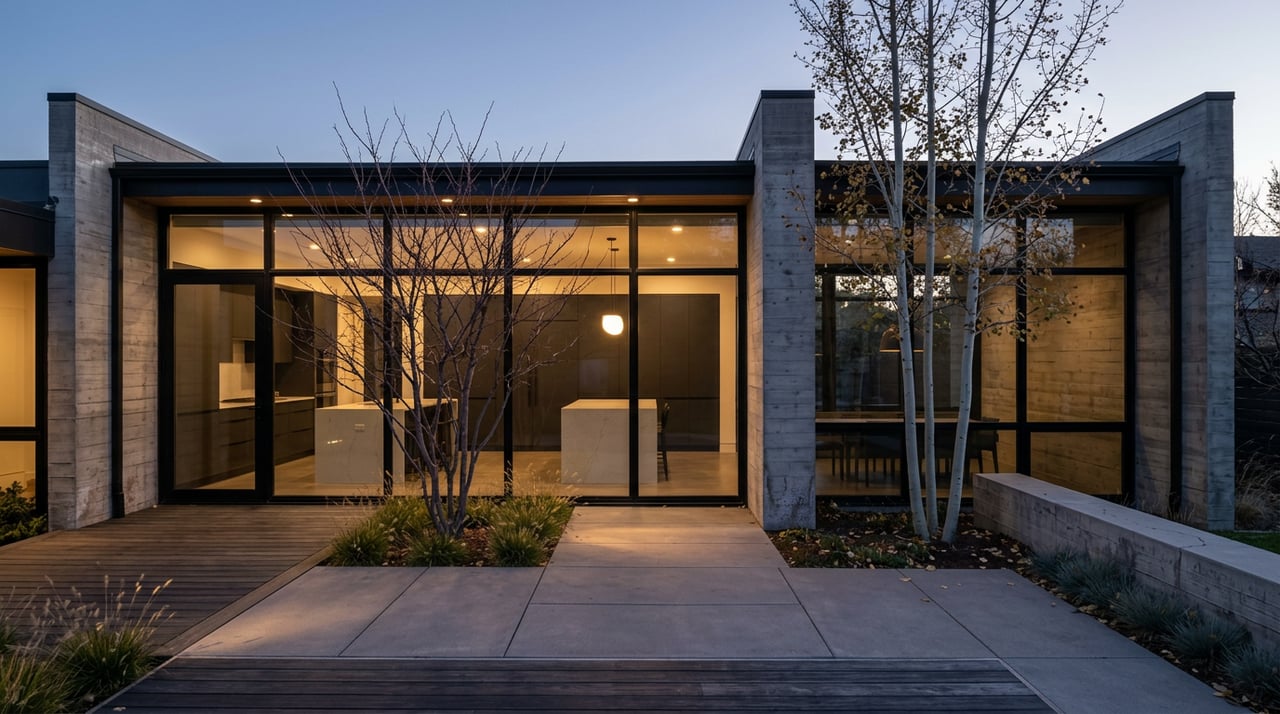
Thinking about listing your Montreux home and wondering what price will attract qualified buyers without leaving money on the table? In a gated, golf-course community where every home is unique, pricing is not one-size-fits-all. You want a strategy that respects your home’s views, finishes, and privacy while meeting the market where it is today. In this guide, you’ll learn how to set a defensible asking price, time your launch, and adjust with confidence so you maximize momentum and value. Let’s dive in.
Why Montreux pricing is different
Montreux is a small, amenity-rich community where each comparable sale can shift the outlook. Inventory is limited, buyer preferences are specific, and features like golf-course frontage, Sierra views, and outdoor living can command meaningful premiums. That means you need more than price-per-square-foot.
You also face seasonal patterns. Northern Nevada’s market typically has busier spring and summer months and quieter winters. If you plan to list during a slower season, your pricing and launch plan should account for lighter showing traffic.
Know your likely buyers
Buyers considering Montreux often include a blend of local move-up clients, out-of-area second-home seekers, retirees, and occasional investors. They prioritize low-maintenance living, privacy, security, and lifestyle amenities like golf and scenic views. Your pricing should align with what these buyers value most in your home’s specific location, lot, and finish level.
Gather the right data
You will price with confidence when you build a thorough packet of local data. Focus on:
- Closed sales in Montreux over the last 12 months, extending to 18–24 months if volume is thin.
- Active and pending competitors inside the gates and in comparable gated communities nearby.
- List-to-sale price ratios, days on market, and frequency of price reductions in the luxury tier.
- Absorption rate for Montreux luxury homes, plus time-to-contract trends.
- Buyer activity indicators like showings per week and broker feedback.
- HOA details, CC&Rs, dues, and any transfer or membership fees that affect buyer willingness and net proceeds.
Choose the right comps
Start with the best in-community matches and expand only if you lack recent Montreux sales. Prioritize:
- Similar bedroom and bathroom count, and living area within about 15 percent.
- Comparable lot size, privacy, and orientation, including elevation and aspect.
- Amenities and quality, such as golf-frontage, mountain or course views, pool or spa, and recent renovations.
- Arms-length transactions that reflect true market value.
If you must consider nearby gated communities, detail clear, supportable adjustments for the differences in amenities, location, and buyer demand.
Build a pricing range
A strong Comparative Market Analysis presents a low, mid, and high scenario with documented adjustments. Use multiple approaches to triangulate:
- CMA with qualitative adjustments for view, lot, and finishes.
- Price-per-square-foot as a secondary check, not the driver.
- A luxury appraiser’s input or a Broker Price Opinion to support high-value decisions.
Aim for a defensible range rather than a single number. Then decide where to list within that range based on competition, timing, and your goals.
Pick a listing strategy
There is no single right answer, only the right fit for your home and market window.
- Market pricing: List in line with recent, well-matched comps to drive early traffic. This often yields more showings and stronger offers in the first two weeks.
- Slightly aggressive: Price a touch under the middle of your range to spark urgency if inventory is tight. This can encourage multiple offers but carries risk in thinner markets.
- Premium pricing: Test the high end of your range to allow room to negotiate. Expect fewer showings and a longer timeline, and be prepared with a clear re-pricing plan.
Discuss price banding as well. Strategic round numbers and thresholds can affect how often your listing appears in buyer searches and how it is perceived.
Time your launch
The first 2 to 3 weeks on the market are crucial. This is when you see the most organic interest and unfiltered feedback on price. If you plan to list during a slower season, balance the advantages of less competition against the potential for fewer in-person showings.
If you need extra prep time, consider private broker previews or targeted outreach to top agents. Avoid a soft launch that allows the listing to age online without a full reveal.
Present to support your price
Pricing and presentation work together. High-end buyers expect a polished experience that justifies your number.
- Professional photography that highlights views, sight lines, and outdoor living.
- Drone imagery and aerial maps to show lot orientation, golf proximity, and privacy.
- 3D tours and video that help out-of-area buyers tour remotely.
- Detailed feature list with upgrades, warranties, system ages, and recent services.
- A property book with HOA details, CC&Rs, and any membership or transfer fees.
When buyers see value clearly, they negotiate with confidence and focus on fit, not just price.
Target your buyer pool
Shape your message for the most likely buyers. Move-up locals may prioritize everyday convenience and low-maintenance living. Second-home buyers may focus on lock-and-leave ease, amenities, and view corridors. Retirees often value single-level living and privacy buffers. Your pricing should reflect the features that speak most directly to these priorities.
Strategic concessions, such as a credit for rate buydowns or closing costs, can be more effective than price reductions. These can preserve your price position while easing buyer friction.
Monitor and adjust with intent
Agree upfront on review checkpoints. A structured plan keeps you responsive without overreacting.
- 14-day review: Evaluate showings, online interest, and agent feedback. Compare against expectations for your price tier.
- 30-day review: Reassess comps, new competition, and market movement. If the listing is missing the mark, adjust based on data, not guesswork.
- Showings-to-offer conversion: If interest is high but offers are light, look for a specific objection to solve with presentation or incentives.
Avoid multiple small reductions that confuse buyers. Make purposeful adjustments that reset momentum.
HOA, CC&Rs, and net proceeds
Community rules and fees matter in buyer decisions. Disclose early and clearly:
- HOA dues and what they cover, plus any pending assessments.
- Golf membership options and any transfer costs, if applicable.
- Rental and pet policies that can influence financing and use.
These details help buyers understand long-term costs and reduce surprises during escrow. Clear disclosure builds trust and supports your price.
Financing and appraisal readiness
Luxury properties often involve jumbo or portfolio financing. Appraisers rely on recent, relevant comps and may need more time for unique properties. Help them succeed by providing a well-organized packet with your comps, upgrade list, floor plan, permits, and HOA details. The cleaner your documentation, the stronger the appraisal support.
Common pitfalls to avoid
- Over-weighting price-per-square-foot in a features-driven market.
- Borrowing comps from dissimilar neighborhoods without careful, documented adjustments.
- Stale pricing when market conditions shift.
- Underestimating carrying costs for longer days on market.
- Delaying or omitting HOA and membership disclosures.
Each of these can reduce your leverage and final net.
Your Montreux pricing checklist
Use this step-by-step list to prepare your pricing plan:
- Data and valuation
- Pull 12–18 months of Montreux sales and build a 5–7 comp set.
- Note list vs sale price, days on market, and concessions.
- Benchmark active and pending competition.
- Consider a pre-list appraisal or Broker Price Opinion.
- HOA and documentation
- Confirm CC&Rs, dues, rental policies, and any transfer or membership fees.
- Gather permits, warranties, system ages, and upgrade receipts.
- Create a detailed feature list and floor plan if available.
- Presentation
- Book professional photography, drone, and a 3D tour or video.
- Declutter and stage, prioritizing key rooms and outdoor spaces.
- Prepare a property book for showings and appraisers.
- Strategy and timing
- Select your pricing approach within a documented range.
- Pick a launch date that maximizes early momentum.
- Set 14-day and 30-day review checkpoints with clear metrics.
- Marketing and outreach
- Announce to top local and regional brokers with a data-backed price rationale.
- Target digital campaigns to likely buyer geographies.
- Track showings, inquiries, and feedback to inform adjustments.
The bottom line
A winning price in Montreux is specific, supported, and flexible. Start with the strongest in-community comps you can find, document your adjustments, and choose a launch strategy that meets your goals. Pair the price with standout presentation and proactive outreach to the buyers most likely to value what your home offers. With a clear review plan, you can protect momentum and negotiate from strength.
If you want a pricing plan tailored to your home, reach out for a private consult. Connect with Jena Lanini for a data-backed strategy and luxury-level marketing that reflects the best of Montreux living.
FAQs
How should I price a Montreux home with rare views?
- Start with the closest in-community comps, then apply qualitative adjustments for view corridor, elevation, and privacy. Document the rationale and support it with photos and recent buyer feedback.
What if there are very few recent Montreux sales?
- Extend your time frame to 18–24 months and supplement with nearby gated luxury comps, using careful, written adjustments for community differences and amenities.
Is price-per-square-foot reliable for Montreux luxury homes?
- Use it only as a secondary check. In this segment, features like golf-frontage, lot quality, and renovations often drive value more than raw size.
When is the best time to list in Montreux?
- Aim for a period with historically stronger buyer activity, often spring and summer. If you must list in a slower season, tighten your pricing and elevate presentation to maintain momentum.
How do HOA dues and membership fees affect pricing?
- Buyers weigh total carrying costs. Disclose HOA details and any membership transfer fees early so your asking price is evaluated with full context, not discounted for unknowns.
What if my home does not appraise at the contract price?
- Provide the appraiser with a professional packet of comps and upgrades, and be ready to revisit terms using concessions or timing rather than rushing to broad price cuts.