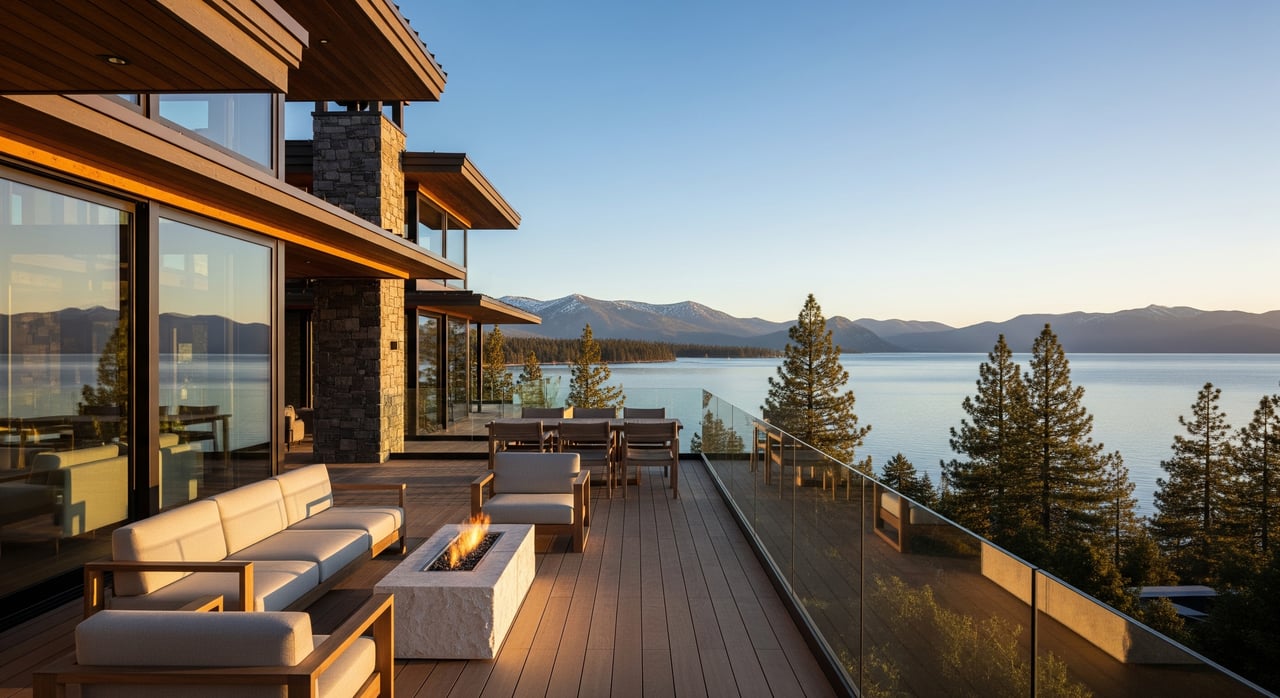
Tahoe Housing Market Outlook From Stateline, Nevada
January 1, 2026
January 1, 2026
Are you trying to make sense of the Tahoe market from the Nevada side of the shoreline? If Stateline is on your radar, you already know it plays by a slightly different set of rules. Between lifestyle perks, tax differences, and resort-driven demand, it helps to view trends through a Stateline lens. In this guide, you’ll get a clear outlook, what to watch next, and practical steps whether you plan to buy, sell, or hold. Let’s dive in.
Stateline sits right on the border with California, but ownership feels different. The Nevada side offers a distinct fiscal backdrop, including no state income tax, and generally lower business and tax burdens compared with the California side. Short-term rental rules and permitting also differ by jurisdiction, which can shift demand between the two sides of the line.
This is a walkable, amenity-rich pocket anchored by casinos, dining, and the Heavenly ski experience. A large share of homes are second residences, vacation rentals, or resort condos, alongside year-round households tied to hospitality and services. Proximity to lifts, lake access, and entertainment often supports premium pricing for properties that check those boxes.
Around Lake Tahoe, new development is limited by geography and environmental regulation. The Tahoe Regional Planning Agency (TRPA) manages land use, coverage limits, and shoreline policies. Steep slopes and a finite amount of developable land keep supply tight, which can support values for well-located properties even when sales activity slows.
Tahoe’s market saw a strong run-up in 2020 through 2022 as remote work and second-home demand surged. Since late 2022 into 2024, higher mortgage rates cooled transaction volume and slowed price growth in many areas. In resort segments, exceptional or unique properties often remained resilient, especially those with top-tier views, ski proximity, or compelling rental histories.
Stateline tends to have a higher share of cash and jumbo-financed buyers than many suburban markets. That mix reduces sensitivity to conventional rate moves. Where a property has proven rental performance, projected income can also support valuation for investment-focused buyers.
Two peak demand windows shape the year: winter for skiing and summer for the lake. Inventory tied to those activities, like ski-adjacent units and lake-access homes, often stays tight even when broader activity cools. Less compelling units can sit longer, simply because resort markets serve a more specialized buyer pool.
Keep your eye on a few metrics that tell the story locally. Fresh, hyperlocal data is essential for smart decisions.
If you are comparing property types, look at separate trend lines for single-family, condo, and lakefront or ski-adjacent segments. Resort condos and luxury homes often move on different timelines.
Short-term rental (STR) performance is highly seasonal, with occupancy and average daily rates peaking in winter and summer. If rental income matters to your decision, evaluate recent occupancy, rate seasonality, and revenue per property for comparable units. Also confirm eligibility for permits and any HOA restrictions before you underwrite returns.
If you need a loan, speak with a local lender early about jumbo options, down payment, and appraisal strategy in micro-markets that have limited comps. Many buyers in Stateline pay cash or use jumbo financing, so competitive preparation matters.
Factor in wildfire risk and the potential for stricter insurer requirements. Obtain early quotes for homeowners, wildfire, and, where applicable, flood coverage. Ask about defensible-space standards and any mitigation that may be required to bind a policy.
If renting is part of your plan, confirm the property’s specific permit eligibility, transient occupancy tax registration requirements, and HOA rules. Review any historical rental performance and note seasonal swings so you set realistic expectations for income and carrying costs.
Cold-weather systems, snow removal, and lake-proximate maintenance add to ownership costs. Consider utilities, HOA dues, roof and deck load considerations, and plumbing freeze protection. A clear operating budget anchors a smart offer.
Review TRPA and county permit records for coverage, rebuildability, and any prior mitigation projects. Understand elevation, drainage, and shoreline or flood considerations where relevant. This diligence helps you protect long-term value.
Buyer activity and travel spike in winter and summer. If your home shines for ski access or summer lake life, consider listing ahead of those peaks. Strong seasonal timing can lift showing activity and support pricing.
Resort condos, investment-grade units, and luxury single-family homes follow different buyer logic. Align pricing with segment-specific comps and, where relevant, support value with documented rental income and projections. For unique properties, consider a range with clear narrative marketing that explains what makes it rare.
Professional staging, compelling video, and detailed listing copy matter in Stateline, where buyers shop from out of area and decide quickly. Highlight proximity to lifts, lake access, and walkability to amenities, along with recent upgrades and system health.
Be transparent on TRPA-related constraints, known encumbrances, and any environmental mitigations or insurance claims. If rebuildability or lot coverage questions arise, get documentation ready so buyers can move forward with confidence.
“Better” depends on your priorities. The Nevada side may offer tax advantages, including no state income tax, and a different permitting environment. The California side has its own services and regulatory approach that some owners prefer. If you are comparing across the line, assess total cost of ownership, STR allowances, and your lifestyle patterns, like commute or preferred mountain access. Consider consulting your tax professional for personalized guidance.
Wildfire risk in the Tahoe basin can affect premiums and insurer availability. You may need defensible-space work and ember-resistant materials to qualify for coverage. Insurance availability and pricing should be part of your early budgeting and due diligence.
In some locations, flood maps, shoreline setbacks, and elevation factors can influence insurance and financing. Heavy snow loads and freeze cycles also shape maintenance schedules and replacement planning. Make sure your inspection and contingency timelines reflect mountain conditions.
TRPA controls many parcel-level decisions that influence lot coverage, redevelopment, and shoreline access. Understanding these guardrails helps you weigh current use against future potential, which is essential for both valuation and risk management.
Stateline’s outlook remains shaped by limited supply, amenity-driven premiums, and a buyer mix that includes many cash and jumbo purchasers. In this niche, well-located properties with strong narratives typically draw steady attention, while less distinctive homes may need sharper pricing or improved presentation. If you are buying, plan ahead on financing, insurance, and STR eligibility. If you are selling, sync timing to the season, price by segment, and present a complete, transparent story.
Ready to align your Tahoe plans with on-the-ground expertise in Stateline and across Northern Nevada? Connect with Jena Lanini for a tailored strategy that fits your lifestyle and goals.
Stay up to date on the latest real estate trends.


Jena Lanini crafts refined real estate experiences with strategy, heart, and unmatched local insight. From Reno to Lake Tahoe, trust her to navigate your next move with clarity and confidence.