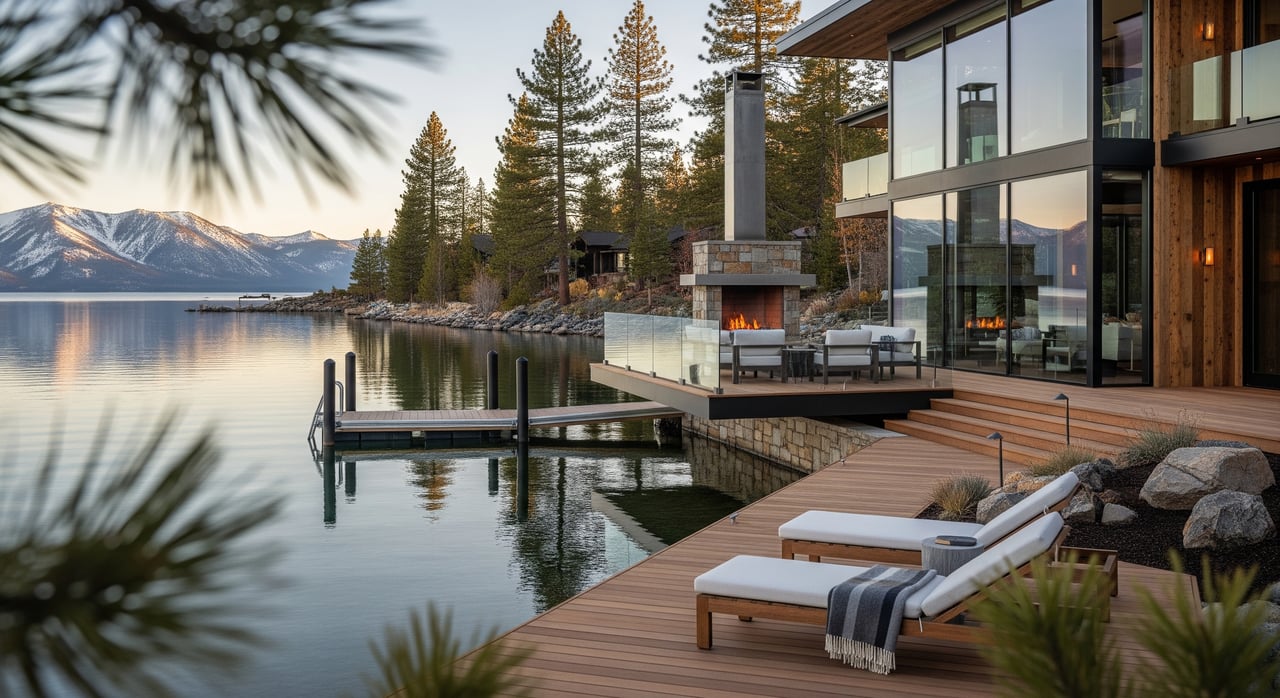
What It’s Like Owning a Home in Stateline NV
February 12, 2026
February 12, 2026
Imagine waking up to crisp alpine air, grabbing your skis for first chair at Heavenly, then winding down with a glass of wine as the sun sets over Lake Tahoe. If that sounds like your perfect weekend, Stateline might be your next move. Owning here blends resort energy with quiet, pine-scented streets — and it comes with real-world details you’ll want to understand before you buy. In this guide, you’ll learn what day-to-day ownership feels like, what drives value, the costs and rules to plan for, and a smart checklist to help you decide if Stateline is a fit. Let’s dive in.
Stateline sits on the Nevada side at Lake Tahoe’s southeastern edge, right next to South Lake Tahoe, California. You’re at the base of the Heavenly ski area, with walkable pockets near casinos, restaurants, and lift access, plus tucked-away residential streets just a short drive up the hill.
You get a true four-season rhythm. Winters bring powder days, holiday lights, and a lively après scene. Summer shifts to boating, swimming, hiking, biking, and festival-style events along the lake. Spring and fall are quieter, which many owners love for peaceful trail time and relaxed dining.
With mountain living comes mountain weather. At roughly 6,200 feet, winters are cold and snowy, and summers stay mild. You will plan for snow and ice management. Wildfire risk is a reality in forested areas, and steep drainage zones can see localized flooding or debris flows. On very steep slopes above developed areas, avalanche risk can be a factor. A little planning goes a long way here.
You’ll find a range of options that support different lifestyles and budgets:
Across these categories, certain features tend to drive price and demand:
Inventory can feel tight, especially at the entry level, and demand from second-home buyers and investors is steady. Location elements like walkability to nightlife and immediate ski or lake access often command a premium.
You can plan for familiar line items like mortgage and utilities, but mountain ownership adds a few variables. Here’s what to expect.
Stateline homes are in Douglas County, Nevada. Nevada does not have a state income tax, which some buyers find attractive. Property tax assessments and effective rates are set and administered by county authorities. For parcel-specific questions, review current county resources and speak with a local professional.
Many condos and townhomes sit in HOAs. Monthly dues can be substantial in amenity-rich communities that include pools, hot tubs, snow removal, and security. HOAs typically set rules for rentals and occupancy, and they may levy special assessments for capital projects. Always review covenants, restrictions, dues history, and reserve studies before you commit.
Standard homeowners coverage may not be enough here. Review policies for wildfire and smoke coverage, snow and ice roof loads, and, where relevant, flood or sewer backup. Insurers can require defensible space and ember-resistant features, and may offer discounts for wildfire-hardening. Get quotes early in your search so coverage and cost do not surprise you at closing.
Plan for electricity, gas or propane if used, sewer, trash, and broadband. In winter, budget for snow clearing, de-icing, and higher heating bills. If you will not occupy the home full-time, winterizing plumbing and routine check-ins are smart safeguards.
Stateline’s location near Heavenly and the casino corridor supports strong short-term rental demand, especially during ski season, holidays, spring break, summer weekends, and major lake events. Income potential varies widely by property type, size, proximity to lifts or the lake, and the quality of management and marketing.
Rules matter. Short-term rentals are regulated at the county and local level and may require business registration, collection and remittance of transient lodging taxes, and safety inspections. Nevada and Douglas County rules may be more flexible than neighboring California jurisdictions, but they can change. HOAs often impose their own limits, including minimum stays and rental frequency. Always confirm current Douglas County requirements and your HOA’s rules before you buy if rental income is part of your plan.
If you live out of the area, consider professional property management. A local team can handle cleanings, guest support, compliance, and winter logistics like plowing and rapid turnarounds.
Mountain living rewards proactive care. Set yourself up with a simple annual plan:
For steep or shaded lots, snow and ice can linger. Ask about sun exposure, slope, and road maintenance responsibilities during your home search.
Before you write an offer, use this quick due diligence guide:
Start with lifestyle. If you want to step onto the gondola, wander to dinner and shows, and stay close to the action, the walkable resort corridor can be a great match. If you prefer stargazing on a quiet deck, forested streets a short drive away offer more seclusion. Proximity is a trade-off with traffic and noise, so set your priorities up front.
Consider your year-round use. If you plan frequent winter visits, look for garages, manageable driveways, and reliable access. If summer is your season, outdoor spaces and lake access may rank higher.
If rental income matters, focus on location advantages and verify permissions. Clarity today avoids surprises later.
Stateline ownership rewards thoughtful planning. When you partner with a professional who understands both the lifestyle and the logistics, you buy with confidence and enjoy the home you came for. If you’re exploring a Lake Tahoe escape on the Nevada side, connect with Jena Lanini for personal guidance, local insight, and a smooth, well-supported search.
Stay up to date on the latest real estate trends.
Jena Lanini crafts refined real estate experiences with strategy, heart, and unmatched local insight. From Reno to Lake Tahoe, trust her to navigate your next move with clarity and confidence.