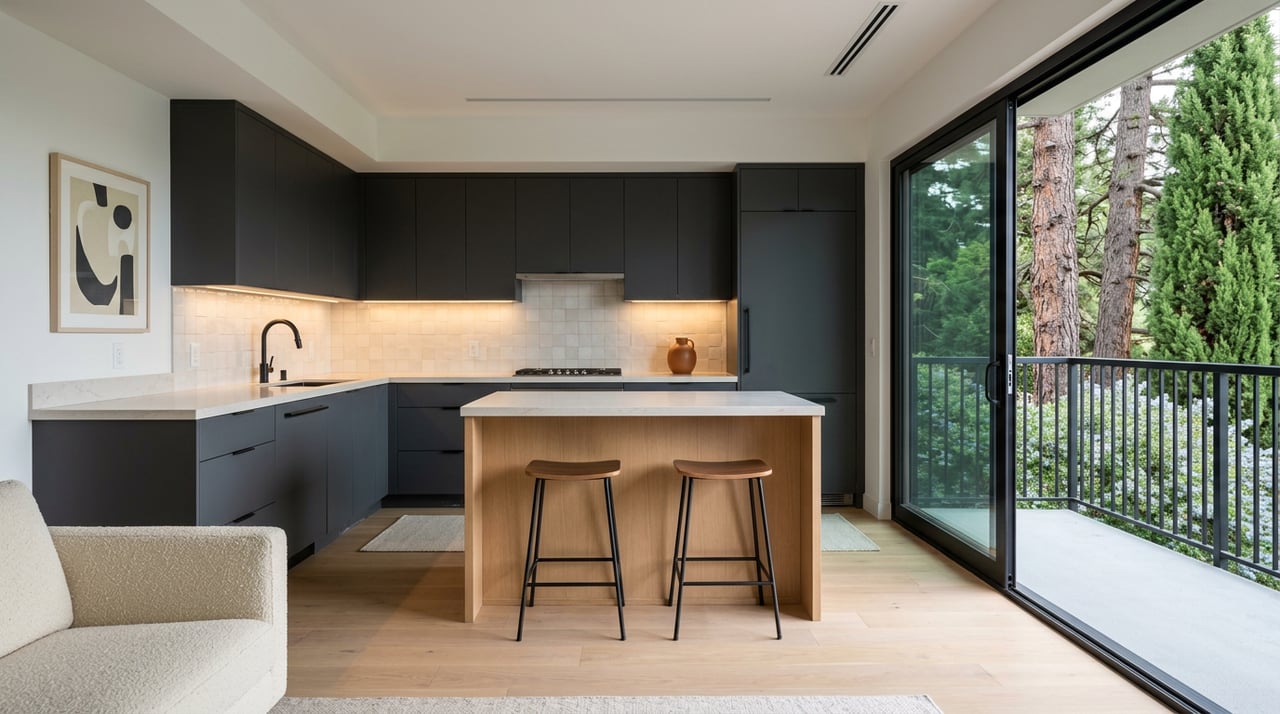
Incline Village Condo vs House: Find Your Best Fit
March 5, 2026
March 5, 2026
Torn between a low-maintenance condo and a private single-family home in Incline Village? You are not alone. The Tahoe lifestyle pulls you in, but the right fit depends on how you plan to use the property, the true cost to carry it, and the rules that shape your options. In this guide, you will compare costs, maintenance, short-term rental rules, and lifestyle tradeoffs so you can choose with confidence. Let’s dive in.
Incline Village sits on Lake Tahoe’s North Shore at about 6,350 feet. Local recreation, water and sewer, solid waste, and private beach access are managed by the Incline Village General Improvement District (IVGID). You can review IVGID’s role and amenities on the official IVGID page.
Why buyers choose Incline Village: access to community-run Diamond Peak for skiing, IVGID beaches and recreation, Nevada’s no state personal income tax, and a quieter North Shore lifestyle. Explore the Diamond Peak experience if ski proximity matters to you.
The area has fewer than 10,000 year-round residents, and home values are well above national medians. You can view background data on population and housing in the U.S. Census QuickFacts.
Each option carries a different cost profile. Look beyond the purchase price to monthly and annual ownership costs.
Condos usually list and sell at lower prices than single-family homes, although there is overlap. High-end condos and smaller houses can trade in similar ranges, while single-family homes in luxury pockets often land above the two-million mark. Focus on how the floor plan and location support your use, not just raw square footage.
Condos typically have monthly HOA dues that cover exterior maintenance, common-area insurance, landscaping, trash, and often snow removal. In Incline Village, many condo HOAs fall in the few-hundred-dollars-per-month range, with higher dues in amenity-rich buildings. Always read the HOA disclosure to confirm what is included and what is not.
All property owners also pay annual IVGID facility fees on the property tax bill. For the 2025–26 fiscal year, IVGID listed a combined Recreation and Beach Facility Fee total of 1,375 dollars. You can review the fee details and what they fund in the IVGID Facility Fee FAQ. These amounts are set annually, so confirm the current year before you budget.
Nevada has no state personal income tax, which is a draw for many buyers relocating from higher-tax states. Washoe County applies Nevada’s partial abatement program that can limit year-over-year increases for owner-occupied primary residences, commonly referenced as a 3 percent cap. Confirm definitions and the latest rules with the county. Start with the Washoe County Assessor FAQ if you plan to make Incline your primary home.
Lakefront or lower-lying parcels should be checked on FEMA flood maps, and lenders may require flood insurance based on the property’s flood zone. You can search a parcel’s FEMA panel on the FEMA Map Service Center.
Wildfire risk is top of mind in the Tahoe Basin. Defensible space and home-hardening improvements can influence premiums and insurability. The North Lake Tahoe Fire Protection District shares guidance on mitigation and insurance on its defensible space and insurance page. Get property-specific quotes early and document any mitigation work.
Condos reduce on-site tasks since many exterior items and common snow removal are handled by the HOA. In exchange, you trade some control and may face special assessments for big projects.
Single-family homes usually require private snow removal, roof and driveway upkeep, landscaping, and any septic or well maintenance where applicable. Winter access matters here. Many year-round owners favor lower-elevation pockets to reduce steep-driveway snow challenges and day-to-day friction.
If you want a lock-and-go base for weekend skiing, beach days, or remote work weeks, a condo near the village core often fits. You will have less maintenance, walkability to services, and covered parking in many buildings. You will also have IVGID access to recreation and beaches. Learn more about local amenities on the IVGID site. Before you buy, check HOA rules on renting, guests, pets, and parking.
If you plan longer stays or full-time living, a single-family home gives you more privacy, outdoor space, storage, and flexibility to adapt the property over time. Factor in winter services and higher maintenance costs, and confirm driveability in storm conditions. Full-time owners should also review property tax abatement rules and homestead options with the county.
Short-term rentals are allowed in unincorporated Washoe County with a permit, inspections, and ongoing compliance. HOAs can forbid or restrict STRs regardless of county rules, so you must verify the CC&Rs before you rely on rental income. Review permit tiers, life-safety checks, local-contact requirements, parking standards, and transient lodging tax remittance on the Washoe County STR page. Note that STR permits typically do not transfer with a sale, so new owners must apply.
Lakefront homes and properties with strong lake views command price premiums in any market. Proximity to Diamond Peak also shapes how you use the home and its resale appeal. If you are considering shoreline work like moorings or dock projects, expect additional permitting layers and planning steps. For parcels near the water, always run a flood-zone check using the FEMA Map Service Center and plan your due diligence timeline accordingly.
Use these quick filters to align your choice with your goals:
As a basic example only: if a property earns about 3,214 dollars per month in rent (roughly 38,568 dollars per year) on a 1.32 million dollar purchase, the gross yield is about 2.9 percent. This ignores operating costs like HOA dues, IVGID fees, insurance, taxes, utilities, property management, vacancy, and maintenance. Smaller, lower-priced condos often show higher percentage gross yields than premium lakefront homes, but net returns depend on your actual expenses and occupancy. Always build a conservative pro forma and consult a CPA.
Use this checklist to avoid surprises:
Both condos and houses work in Incline Village. Condos keep your footprint light and your weekends simple. Single-family homes offer privacy, room to spread out, and long-term flexibility. Your best choice matches your lifestyle goals, tolerance for maintenance, and any rental plans within local rules. If you align those pieces early, your Tahoe place will feel like it fits from the first day.
Ready to map your goals to the right Incline Village property type and neighborhood? Reach out to Jena Lanini to compare live options and run a smart, all-in cost plan that supports how you want to live.
Stay up to date on the latest real estate trends.


Jena Lanini crafts refined real estate experiences with strategy, heart, and unmatched local insight. From Reno to Lake Tahoe, trust her to navigate your next move with clarity and confidence.