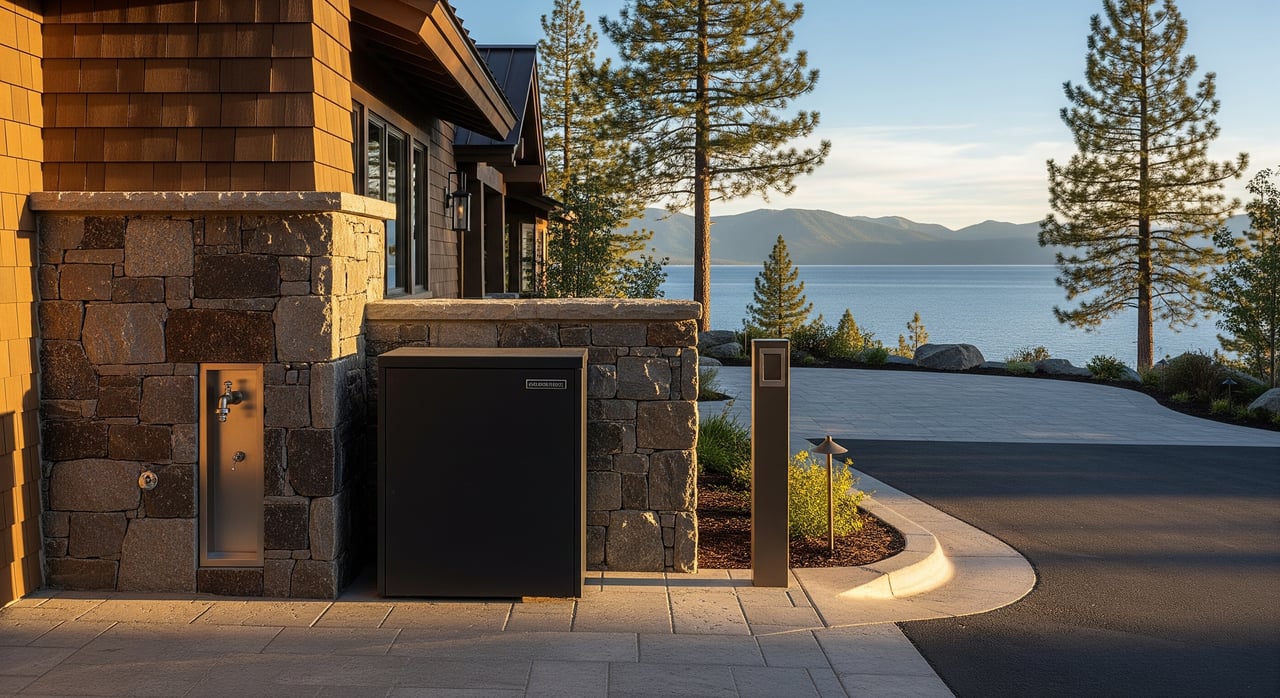
Set Up Stateline Utilities: Water, Trash & Fire Contacts
November 6, 2025
November 6, 2025
Just got the keys to your Stateline home and wondering who to call for water, trash, roads, and fire safety? You are not alone. Setting up essentials in the Lake Tahoe Township can feel confusing because county, district, and state roles overlap. This guide walks you through each step, what to expect, and how to avoid common surprises so your move-in is smooth. Let’s dive in.
In the Kingsbury area, potable water and sewer service are provided by the Kingsbury General Improvement District. You will contact the district to start or transfer service, set up billing, and get help with outages or emergencies. If work extends into a roadway or affects public right of way, Douglas County Public Works may also be involved.
To open or transfer your account, reach out to the district that serves your parcel. Ask what documents and deposits are required and how long activation takes. You will typically need to show you own or lease the property and provide contact info for billing and emergencies.
Bring this when you call or visit:
Rates change over time. Ask for the current rate schedule, any transfer or setup fees, and whether a deposit is required. Confirm billing frequency, payment options, and how to enroll in autopay or paperless statements.
If you have irrigation, a hot tub, or other special fixtures, ask about cross-connection and backflow testing requirements. Many systems need a certified backflow device and periodic testing. The district will tell you what applies to your property and how to stay compliant.
Know where your responsibility ends and the district’s begins. Homeowners are usually responsible for the service lateral and all plumbing on the property. The district typically handles the main, meter, and often the curb stop. Ask for a clear explanation for your address so you can plan maintenance and avoid surprise costs.
Ask the district for the after-hours emergency number and what qualifies as an emergency. If you experience a sewer backup, stop using water immediately, contact a licensed plumber and the district, and document any damage. Ask whether lateral insurance coverage is available and how claims are handled.
If you plan to replace a driveway, dig near the right of way, or trench for utilities, you may need an encroachment permit through Douglas County Public Works. Coordinate early if work could affect a roadway, shoulder, or drainage.
Douglas County Public Works maintains most county roads in unincorporated Stateline. For state highways such as US 50, contact the Nevada Department of Transportation. Private roads or streets inside gated communities are maintained by the homeowner association or a private entity.
When you report a pothole, drainage issue, or sign problem, provide:
Work that alters a driveway, cuts into the right of way, or trenches under a county road usually requires a county encroachment permit. Ask Public Works about the process, lead times, required traffic control, and whether inspections are needed.
During winter storms, state highways are plowed first, then county roads by priority. Ask how to find plow and sanding schedules for your area. Confirm winter parking or towing restrictions so your vehicles and trash carts do not block plows. If your street is private, check with your HOA or road maintenance entity for snow removal plans.
Douglas County Solid Waste and Environmental Services oversees solid-waste programs, transfer stations, and county rules. Household collection is typically provided by private haulers that are permitted to operate in specific areas. You will set up service directly with the hauler that serves your address.
Start with the county’s solid waste resources to identify permitted haulers for your street. Then call the hauler to confirm they serve your house number. Service areas can vary by block, so verify before you schedule a start date.
Ask what paperwork is needed, when service can start, and how billing works. Choose your cart sizes based on household needs, typically measured in gallons. Clarify recycling rules, how many carts are included, and fees for extra bags or overage.
Ask whether your hauler offers bulky item pickup, and what costs apply. For hazardous waste like paints, batteries, and electronics, follow county guidance for drop-off locations and hours. Many providers have specific rules for vegetation or green waste. Some offer seasonal pickup, while others require drop-off at a transfer station.
Snow can delay or change routes. Confirm where to place carts during winter and if there are alternate pickup procedures after storms. Marking carts with reflective tape helps crews find them in low visibility. Ask about holiday schedules, observed days, and how missed pickups are handled.
Your local fire protection district handles defensible-space assessments, home-hardening guidance, and enforcement of local fire codes. In the Stateline and Lake Tahoe Township area, the Tahoe Douglas Fire Protection District typically serves many neighborhoods. Confirm coverage for your specific parcel, since boundaries can vary.
A defensible-space or home-hardening assessment usually reviews:
Expect a written checklist with prioritized actions. Ask about estimated timelines, whether visits are free, and if follow-up inspections are available.
Ask the fire district about community chipping days, on-call chipping, and any cost-share grants for fuels reduction. Some districts provide contractor lists or pre-qualified vendors for defensible-space work. Request disposal guidance and any designated chip or dumpster sites.
Within the Lake Tahoe Basin, the Tahoe Regional Planning Agency regulates tree removal and certain vegetation work. Some treatments require TRPA permits or review, even if recommended by your fire district. If work touches state or federal lands, coordinate with the Nevada Division of Forestry or the U.S. Forest Service. Always confirm burning restrictions and air-quality rules before considering open burning.
Jurisdictions overlap around Stateline, so always confirm who covers your address through county resources or by asking each agency. Keep copies of your defensible-space report, permits, and receipts for fuels work. These records help with insurance, resale questions, and future maintenance planning.
Ready to get everything dialed in before closing or right after move-in? If you want a local, step-by-step plan that fits your property and timeline, reach out. Connect with Unknown Company to get personalized guidance and a smooth Stateline setup.
Stay up to date on the latest real estate trends.
Jena Lanini crafts refined real estate experiences with strategy, heart, and unmatched local insight. From Reno to Lake Tahoe, trust her to navigate your next move with clarity and confidence.