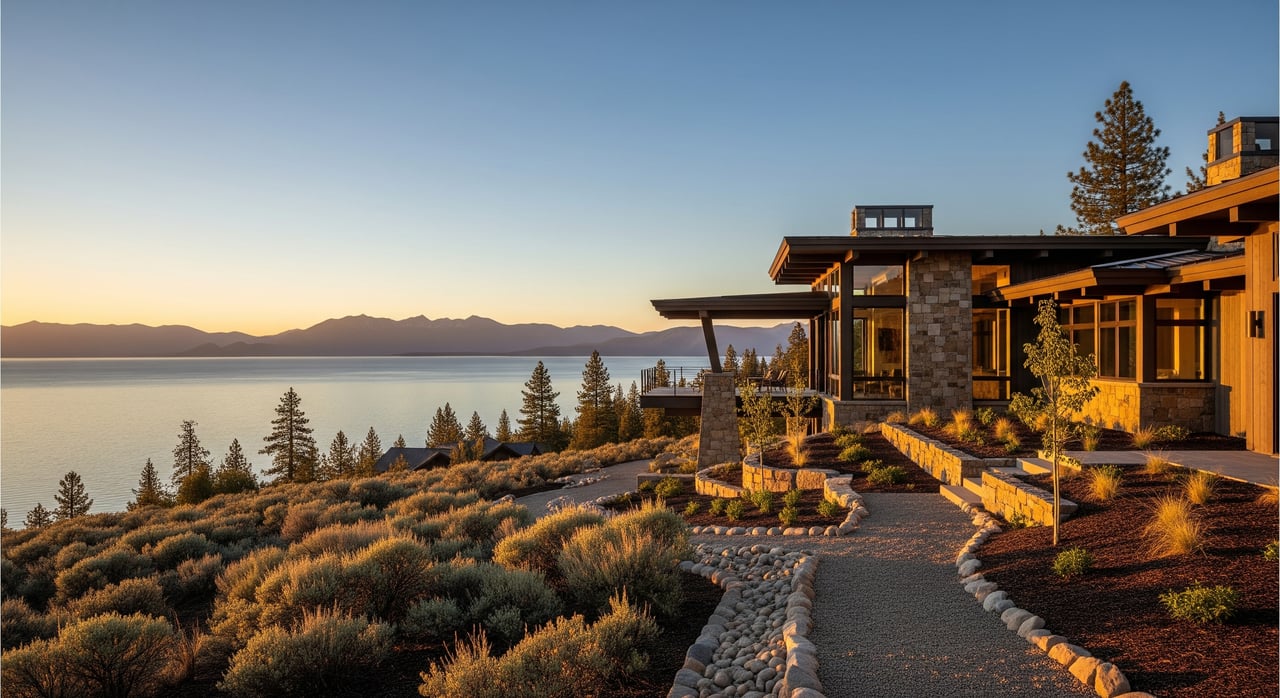
Navigating TRPA Permits for Stateline, NV Remodels
October 23, 2025
October 23, 2025
Planning a project near Lake Tahoe’s edge can feel confusing. You want to protect the lake, follow the rules, and keep your timeline on track. In Stateline, many projects touch the Tahoe Regional Planning Agency’s system, which adds steps you might not expect. This guide breaks down when TRPA permits apply, how to navigate the process, and the key rules that shape what you can build. Let’s dive in.
TRPA is the bi-state agency that safeguards Lake Tahoe and sets the regional rules for development. Its Regional Plan and Code guide what can be built, where, and how. If your project could affect water quality, scenic views, traffic, or sensitive lands, TRPA review likely applies. You can learn more about the agency’s role in the Regional Plan overview.
Many small maintenance tasks are exempt, but anything that changes site coverage, grading, drainage, or adds new footprint often triggers TRPA review. Projects near a Stream Environment Zone or along the shoreline are almost always regulated. Use TRPA’s “Do I need a permit?” resources in the Applications and Forms hub to confirm your category before you file.
TRPA uses four tiers:
In Stateline, TRPA and Douglas County share responsibilities under area plans and memorandums of understanding. Some county MOUs are not always active. Check TRPA’s current Where to Apply guidance to see whether the county or TRPA will process your submittal.
TRPA aims to act on complete applications within about 120 days. Many minor projects are reviewed faster, while complex ones can take longer. Build time into your schedule for corrections and technical studies. Fee schedules are updated periodically, so confirm the current amounts in the Applications and Forms hub.
TRPA caps impervious coverage based on land capability. Typical base coverage ranges are 1 percent for classes 1–2, 5 percent for class 3, 20 percent for class 4, 25 percent for class 5, and 30 percent for classes 6–7. Class 1b, known as a Stream Environment Zone, is highly restricted. These limits control how much new building area, paving, or parking you can add. See details on Land Coverage and Land Capability.
SEZs include streams, wetlands, and high groundwater areas. New disturbance in SEZs is typically prohibited or tightly limited, with extra studies and strong mitigation if allowed. If your lot touches an SEZ, plan for a deeper review.
Best Management Practices are required on nearly all developed private properties to capture and treat stormwater before it leaves the site. Your permit will likely require BMP installation or upgrades. TRPA’s guide to design and installation is a helpful starting point: Learn about BMPs.
Piers, buoys, and other shorezone structures are governed by TRPA’s Shoreline Plan. New allocations are limited and often managed through lotteries and staged pools. Moorings must be registered and may require mitigation fees. Review current rules in the Shoreline Program.
Bigger developments and event venues can trigger scenic and vehicle-miles-traveled analysis. TRPA may set attendance caps, require transit measures, or add monitoring conditions. Recent approvals like the event center illustrate these requirements in practice. See an example in the event center approval.
If your parcel is in a sensitive class, you may need to use development right transfers or conversions to move a project forward. The framework is described in TRPA’s Regional Plan overview.
Douglas County’s South Shore Area Plan allows the county to process some TRPA reviews when its MOU is active. TRPA retains direct review for large projects and sensitive areas like shoreline and SEZs. Always verify current routing on TRPA’s Where to Apply page. You may also need county building permits and, for some uses, county planning approvals. For context on local permitting updates, see this report on VHR processing changes from the Tahoe Daily Tribune.
Ready to map a clear path for your Stateline project? I can help you align your goals with local rules, connect you with the right resources, and keep your timeline realistic. Reach out to Jena Lanini for thoughtful, local guidance.
Stay up to date on the latest real estate trends.


Jena Lanini crafts refined real estate experiences with strategy, heart, and unmatched local insight. From Reno to Lake Tahoe, trust her to navigate your next move with clarity and confidence.