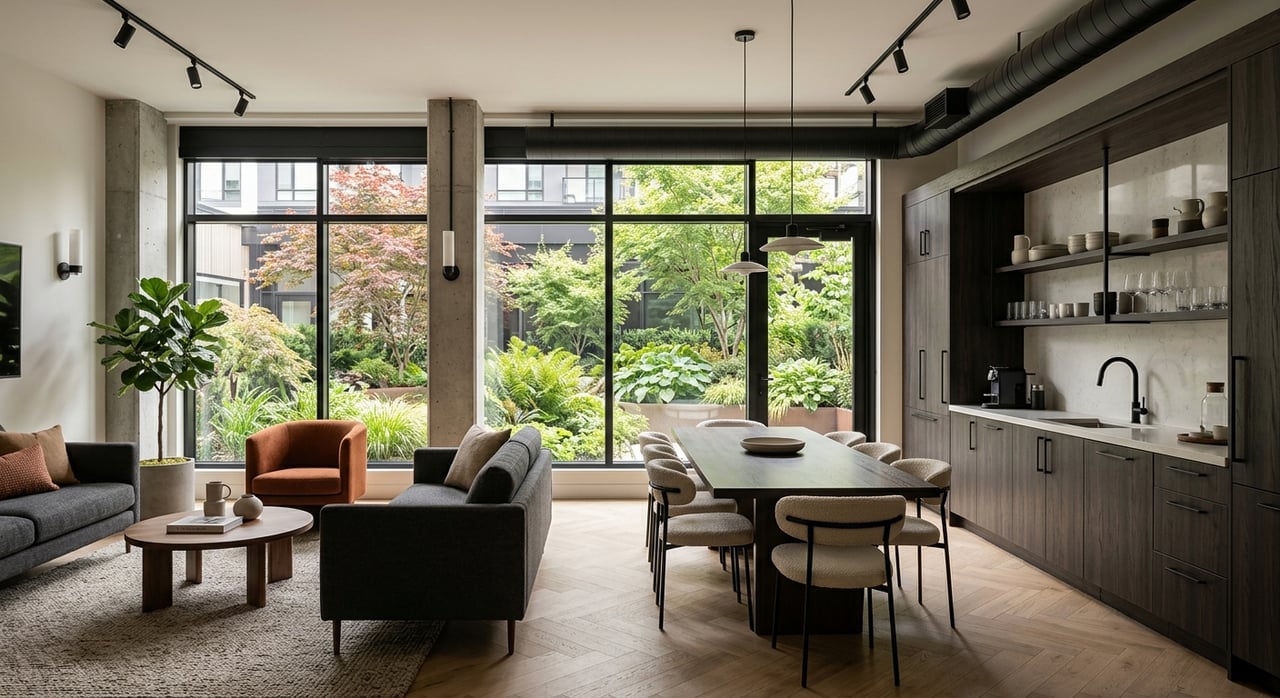
Downtown Reno Condo Guide: What to Know Before You Buy
June 11, 2026
June 11, 2026
Curious about what it’s really like to own a condo in downtown Reno? The appeal is easy to see: a walkable urban setting, river access, entertainment nearby, and less yard work on your plate. But condo living comes with its own rules, costs, and daily rhythms, so it helps to know what to look for before you buy. Let’s dive in.
Downtown Reno is a compact urban district that spans 110 city blocks, according to the Downtown Reno Partnership. It also benefits from added district services such as 24-hour ambassadors and security, district-wide cleaning, and coordinated marketing. For you as a buyer, that can mean a more managed public environment than you might expect in a typical suburban setting.
The City of Reno’s downtown planning also emphasizes shared parking, parking structures, transit access, and public spaces along the Truckee River. In practical terms, downtown condo living often feels more urban and less car-centered than living in outlying neighborhoods. If you want convenience and activity close by, that can be a strong fit.
In Nevada, condos are commonly part of a common-interest community. That means when you own a unit, you also share in common expenses tied to the community, which can include taxes, insurance, maintenance, and related services, according to Nevada Real Estate Division guidance. In other words, the monthly HOA dues are not a side detail. They are a core part of your ownership costs.
That is why reading the HOA documents carefully matters just as much as walking through the unit itself. A condo that looks like a great value upfront may feel very different once you understand what the dues cover, what the rules allow, and how the association is planning for future repairs. Buying the right condo is really about buying into the right building and community structure.
Nevada law requires a resale package for many condo sales. The seller or seller’s agent must provide documents such as the declaration, bylaws, rules or regulations, an information statement, the monthly assessment amount and any unpaid obligations, the current operating budget, year-to-date financials with reserve information, pending legal actions, and any transfer or transaction fees tied to the sale.
The law also states that this package must be furnished within 10 calendar days and stays effective for 90 calendar days. For you, that package is one of the most important tools in the transaction. It helps you understand both the financial health of the community and the day-to-day rules you will live with after closing.
Nevada law requires HOA boards to conduct a reserve study at least every five years, review it annually, and adjust reserve funding as needed. That matters because reserve planning gives you an early look at how the association is preparing for major future costs. Think roofs, elevators, exterior maintenance, and other large shared repairs.
If reserves look thin, that can be a sign that dues are being kept low now while larger costs may show up later. If reserves appear well planned, that can suggest a more proactive approach to maintaining the building. You do not need to become an HOA expert, but you do want a clear sense of whether the numbers support the lifestyle and budget you want.
Parking is one of the biggest practical questions in downtown Reno condo living. The area includes metered street parking, public lots, and garage options, but availability and convenience can vary by building and block. The Downtown Reno Partnership notes that meters are generally enforced Monday through Saturday from 9 a.m. to 6 p.m., excluding holidays.
That means you should not assume parking will work the same way at every property. One building may offer deeded spaces, while another may assign parking, lease it separately, or rely more heavily on nearby public options. A condo that feels perfect inside can become frustrating fast if the parking setup does not match your daily routine.
The City of Reno offers residential parking permits for eligible long-term residents and owners. Current posted fees for 2025/2026 are $24 for a 12-month permit, $12 for a 6-month permit, $5 for a temporary landlord permit, and $5 for a replacement permit. However, the city also says some properties inside the permit zone are ineligible.
That is an important detail for buyers. If you expect street parking to serve as a backup plan, verify address-specific eligibility before you rely on it. It is much better to confirm this early than to find out after closing that your building does not qualify.
Before you make an offer, ask:
These answers can tell you a lot about how easy condo living will feel day to day.
If your goal is to be less car-dependent, downtown Reno offers a setup that may support that choice. RTC RIDE serves Reno, Sparks, and Washoe County, and the RTC 4th Street Station is located in downtown Reno. That makes transit part of the lifestyle conversation, not just an occasional backup plan.
This does not mean every condo will feel equally convenient without a car. But it does mean you should think beyond the unit itself. Consider how often you commute, where you shop, how you like to spend weekends, and whether you want an urban routine with more walking and transit built in.
If you have pets, or plan to, this is another area where the building rules matter more than broad assumptions. Pet policies are typically set at the HOA level rather than citywide. That means one condo community may allow pets with certain limits, while another may have approval requirements, deposits, size restrictions, or amenity-specific rules.
The resale package and HOA rules are where you confirm those details. It is smart to ask specific questions, especially if your pet situation is important to your housing decision. Clear answers up front help you avoid surprises later.
Some buyers plan to live in their condo full time. Others want flexibility for future renting. Either way, you need to know the building’s rules before you buy.
Ask whether rentals are allowed, whether there are minimum lease terms, and whether any rental caps apply. Also look closely at policies that can affect daily life in a mixed-use downtown environment, such as noise expectations, delivery procedures, package handling, storage availability, and renovation rules.
In a single-family home, some of these details may barely come up. In a downtown condo building, they can shape your experience every week. Package management, move-in procedures, renovation hours, and storage limits may not sound exciting, but they often affect convenience more than buyers expect.
This is where a lifestyle-first approach helps. The best condo for you is not just the one with the right price or finishes. It is the one that supports how you actually want to live.
When you are serious about a downtown Reno condo, focus your due diligence on both money and lifestyle fit. You want to know what you are buying, what you are agreeing to, and how the building is run. A thoughtful review can help you spot issues before they become expensive or frustrating.
Here are some of the most important items to review:
Taken together, these details give you a fuller picture of the condo beyond the listing photos.
Downtown condo purchases often move beyond simple questions of price per square foot. You are comparing buildings, parking setups, HOA structures, and everyday lifestyle tradeoffs. That is where local guidance can make the process feel a lot more manageable.
A knowledgeable local agent can help you compare buildings, verify parking permit eligibility, review the HOA packet at a high level, and identify financial or lifestyle mismatches early in the process. That support can help you move forward with more clarity and confidence, especially if you are balancing urban convenience with long-term ownership goals.
If downtown Reno condo living is on your radar, the key is finding the right match between the unit, the building, and your day-to-day life. When those pieces line up, condo ownership can offer a streamlined, connected lifestyle in one of Northern Nevada’s most active urban settings. If you want thoughtful guidance as you explore your options, connect with Jena Lanini to start your search.
Stay up to date on the latest real estate trends.
Jena Lanini crafts refined real estate experiences with strategy, heart, and unmatched local insight. From Reno to Lake Tahoe, trust her to navigate your next move with clarity and confidence.